Profitec Pro 300 vs Profitec JUMP
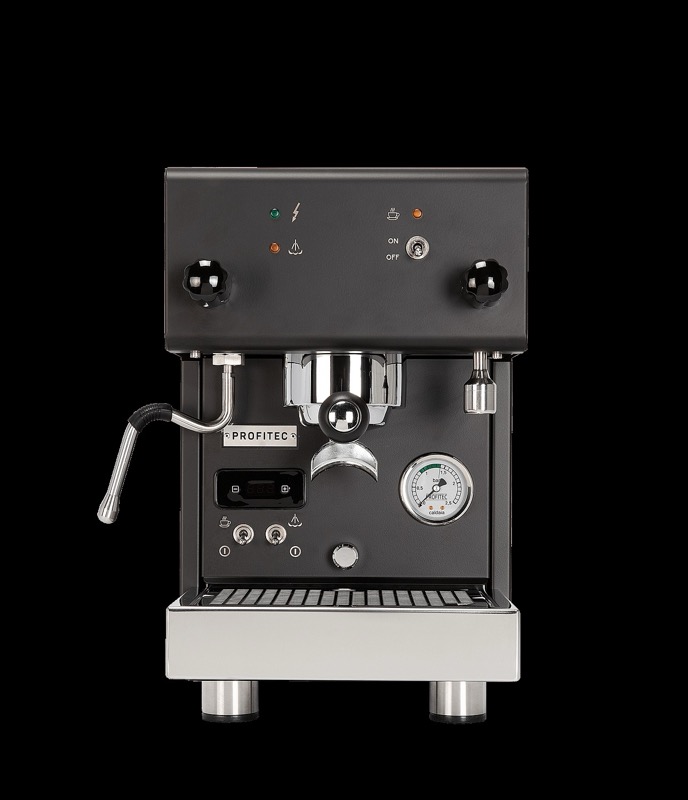
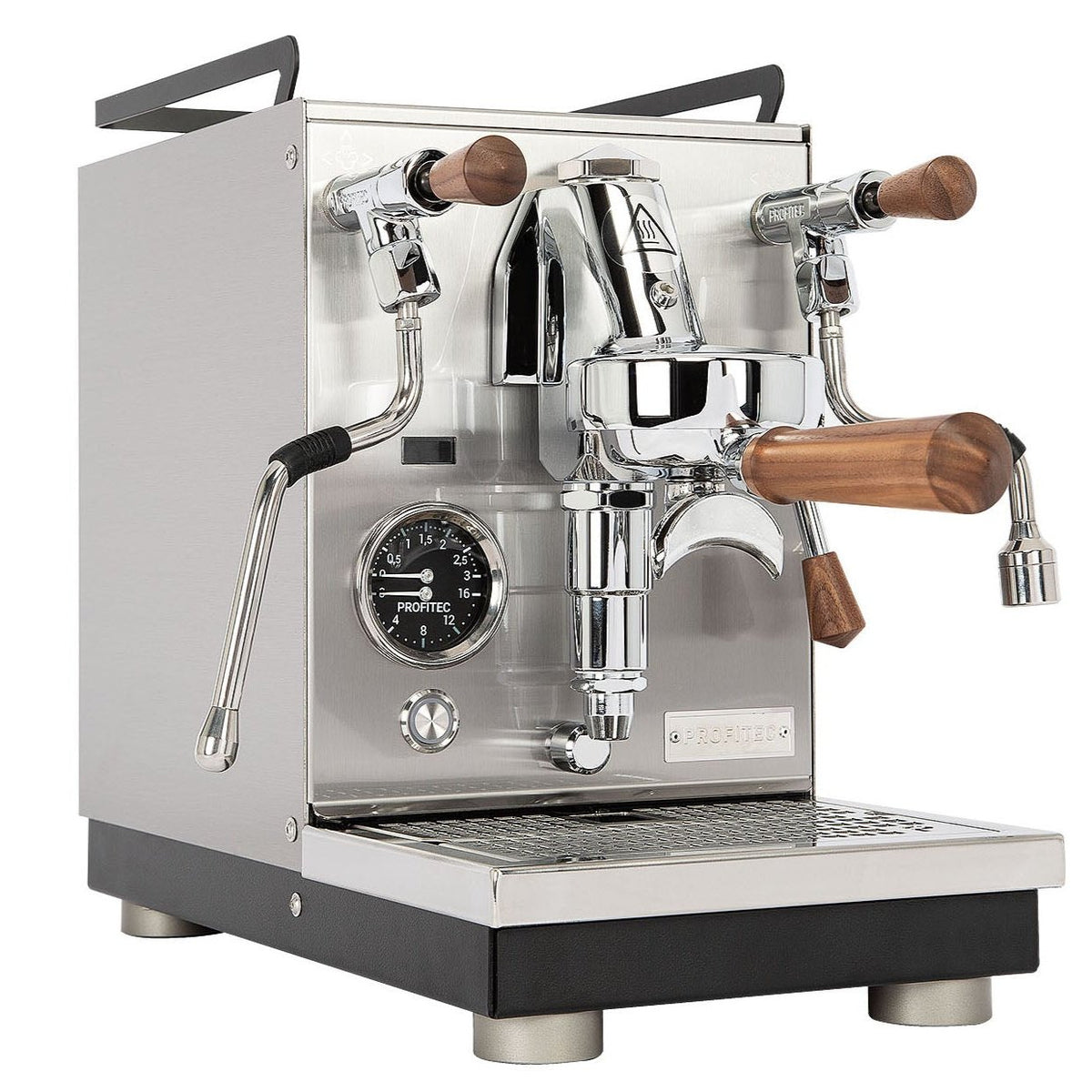
Quick take: The Profitec Pro 300 costs $260 less; the Profitec Pro 300 heats up faster (9 minutes).
| Spec | Profitec Pro 300 | Profitec JUMP |
|---|---|---|
| Standout features | Dual Boiler, PID Control, Steam Wand, 58mm Portafilter, Shot Timer | E61 Group Head, 3 PID Temperature Presets, OLED Display with Shot Timer, Programmable Pre-Infusion, Dual Pressure Gauges, Eco Mode with Auto Shut-Off |
| Approx. price | ~$1,799 | ~$2,059 |
| Type | Semi-Automatic | Semi-Automatic |
| Boiler | Dual Boiler | Heat Exchanger |
| Built-in grinder | No | No |
| Pump pressure | 15 bar | 9 bar |
| Water capacity | 101 oz | 95 oz |
| Warm-up time | 9 minutes | 20 minutes |
| Steam wand | Commercial Manual | Commercial Manual |
| Basket type | Unpressurized Only | Unpressurized Only |
| Best for | Enthusiasts | Enthusiasts |
| Dimensions | 10.2 x 16.1 x 15.4 in | 9 x 17.6 x 14.6 in |
| Weight | 39.7 lbs | 47.4 lbs |
| Warranty | 3 years | 3 years |
Pros & cons
Profitec Pro 300
- ✓Dual boiler at a reasonable price
- ✓PID on both boilers
- ✓Excellent build quality
- ✓Compact for dual boiler
- ✗No built-in grinder
- ✗Heavy
- ✗Less well-known brand
- ✗Discontinued - replaced by the Profitec MOVE
Profitec JUMP
- ✓Three PID presets make roast-based temperature changes one flick of a switch
- ✓Insulated stainless boiler - no copper, less scale worry
- ✓Programmable pre-infusion plus shot timer on the OLED display
- ✓Side panels swap for wood and colored finishes
- ✗Three fixed brew temps rather than free PID adjustment
- ✗20-minute E61 warm-up
- ✗Flow control costs $100 extra
- ✗Deep 17.6-inch footprint despite the narrow width
What owners say
Profitec Pro 300
The Pro 300 has been discontinued and replaced in Profitec's range by the MOVE, which trades the older machine's design for a fast-heating ring brew group and a modern programmable interface. That makes the Pro 300 a used-market proposition now, and a sound one — it is a compact dual boiler with Profitec's build quality, and the core reason to want it has not changed. Against the single-boiler Profitec GO, which sits below it, the difference is simple and decisive: the GO makes you brew and then steam sequentially, while the Pro 300 does both at once. If you make the occasional milk drink, that sequential workflow may not bother you and the GO is smaller with less to go wrong. If you make milk drinks daily, the dual boiler is the whole point. Full owner insights →
Profitec JUMP
The JUMP is Profitec's heat-exchanger E61 machine and the successor to the Pro 400, and it inspires unusual affection. One owner who also keeps a Rocket dual boiler, a Quick Mill and an ECM Synchronika says flatly that the JUMP is their favourite of the four — which is a striking thing to say about the cheapest machine in that lineup. At $2,059 it offers the classic E61 experience with three PID temperature presets, an OLED display with shot timer, programmable pre-infusion, dual pressure gauges so you can watch both boiler and brew pressure, and an eco mode with automatic shutoff. Being a heat exchanger, it brews and steams simultaneously without the wait a single boiler imposes, and it is narrower than several competing E61 machines, which repeatedly turns out to be the deciding factor for people fitting a machine under cabinets or into a tight run of counter. Full owner insights →
Profitec Pro 300 vs Profitec JUMP: common questions
Which is cheaper, the Profitec Pro 300 or the Profitec JUMP?
The Profitec Pro 300 is the cheaper of the two at roughly $1,799, about $260 less than the Profitec JUMP at ~$2,059. Both figures are approximate list prices and street prices move with sales.
Which heats up faster, the Profitec Pro 300 or the Profitec JUMP?
The Profitec Pro 300 is ready sooner — 9 minutes against 20 minutes for the Profitec JUMP. That gap matters most on weekday mornings; if you pull shots at a relaxed pace it makes little practical difference.
What is the difference in boiler design between the Profitec Pro 300 and the Profitec JUMP?
The Profitec Pro 300 uses a dual boiler and the Profitec JUMP uses a heat exchanger. Boiler design drives temperature stability and whether you can brew and steam at the same time, which is the main reason two otherwise similar machines behave differently once you start making milk drinks back to back.