De'Longhi Dinamica vs Jura E4
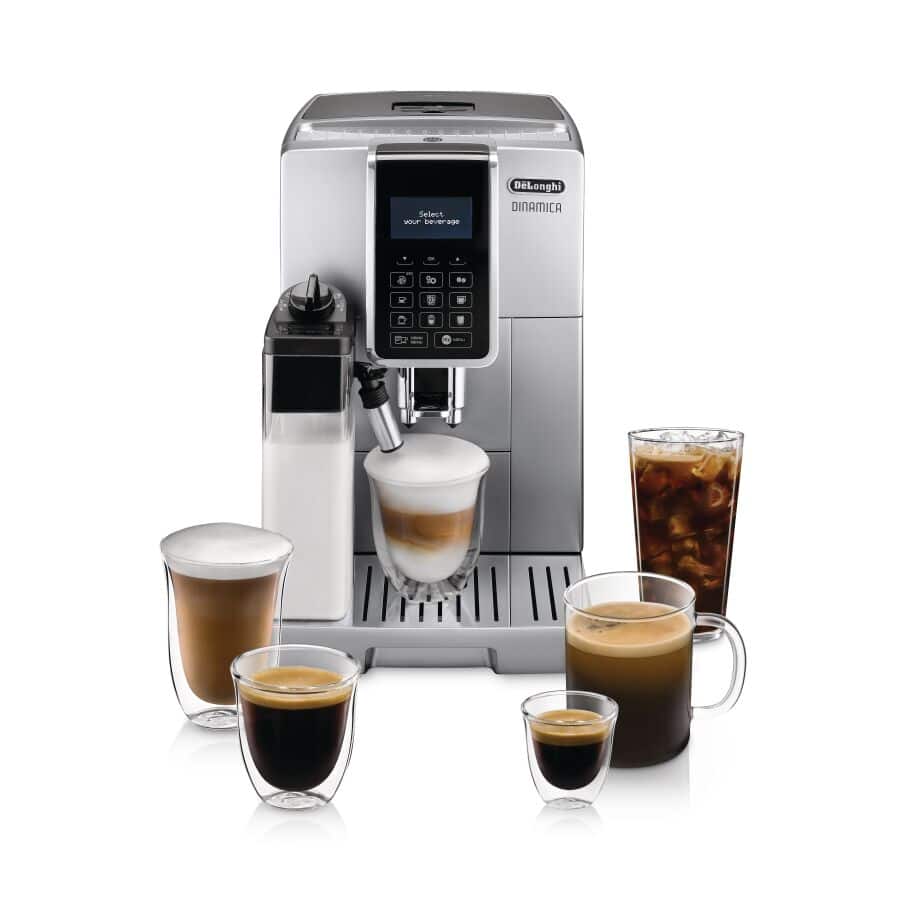
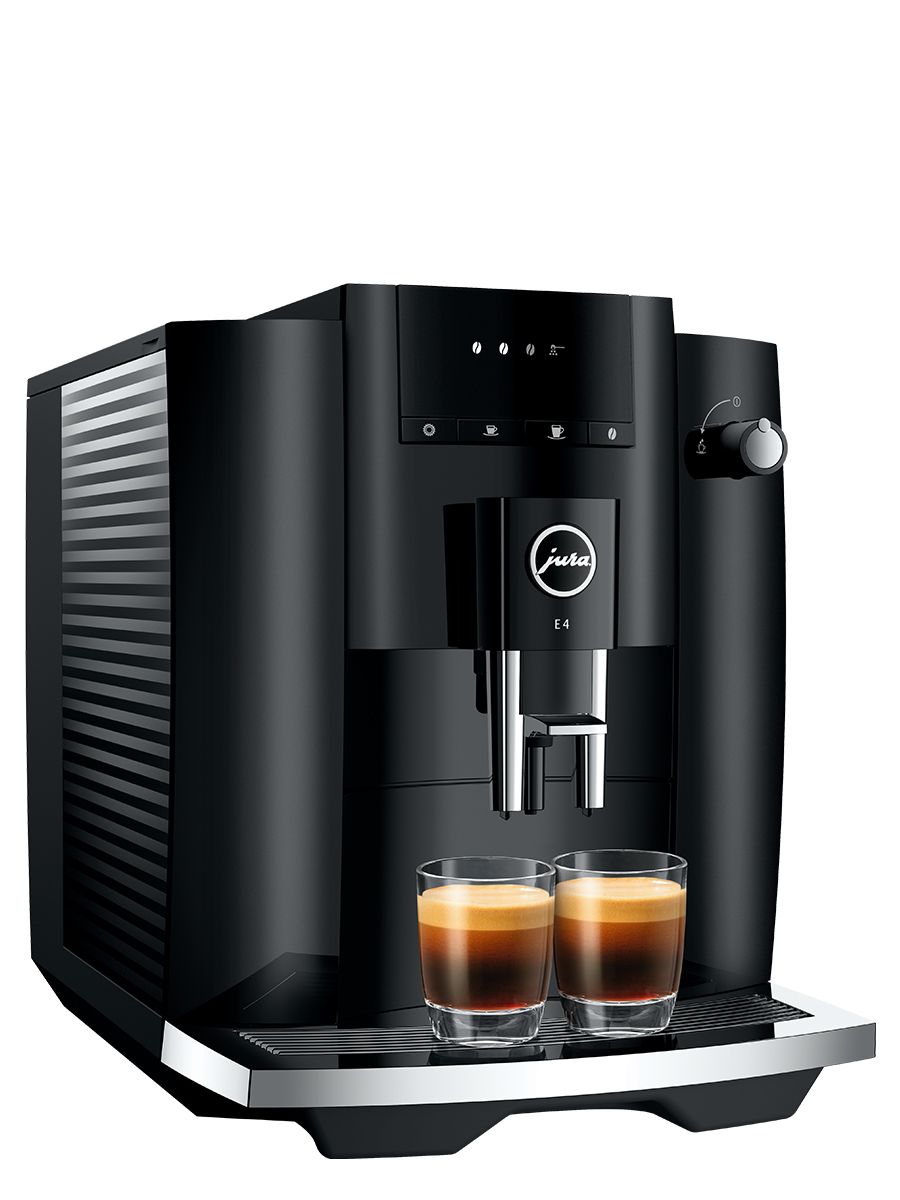
Quick take: The Jura E4 costs $1 less; the De'Longhi Dinamica heats up faster (45 seconds).
| Spec | De'Longhi Dinamica | Jura E4 |
|---|---|---|
| Standout features | LatteCrema System, LCD Display | P.E.P. Extraction, Hot Water Spout |
| Approx. price | ~$1,400 | ~$1,399 |
| Type | Super-Automatic | Super-Automatic |
| Boiler | Thermoblock | Thermoblock |
| Built-in grinder | Yes | Yes |
| Pump pressure | 15 bar | 15 bar |
| Water capacity | 60 oz | 64 oz |
| Warm-up time | 45 seconds | 60 seconds |
| Steam wand | Auto (LatteCrema) | — |
| Basket type | — | — |
| Best for | Milk Drinks | Purists |
| Dimensions | 9.3 x 16.9 x 13.4 in | 11.0 x 17.6 x 13.8 in |
| Weight | 20.7 lbs | 22 lbs |
| Warranty | 2 years | 2 years |
Pros & cons
De'Longhi Dinamica
- ✓Excellent LatteCrema milk system
- ✓Simple LCD panel with drink presets
- ✓Multiple drink presets
- ✓Self-cleaning
- ✗Expensive
- ✗Not true espresso purist quality
- ✗Complex cleaning
- ✗Large footprint
Jura E4
- ✓Cheapest full-size (64 oz) entry into Jura's shot quality and Swiss build
- ✓No milk system means dramatically less cleaning
- ✓Eighth-generation brew unit with P.E.P. pulse extraction
- ✓Compact footprint fits under standard cabinets
- ✗No milk options at all - not even hot water frothing
- ✗Still locked into Claris filters and Jura tablets
- ✗Small 4-button interface, no touchscreen
- ✗Costs more than milk-capable rivals like the Philips 5400
What owners say
De'Longhi Dinamica
The Dinamica sits above De'Longhi's Magnifica family and the reasons to step up to it are concrete rather than cosmetic: a larger maximum coffee dose, so the grinder runs longer and puts more coffee in the puck, a wider range of milk drinks, and a screen that makes programming and maintenance considerably easier than decoding indicator lights. Owners report it as a durable machine — one family has run theirs for more than five years without any problems at all — and it occupies a sensible place in the range for someone who wants more than the entry machines offer without stepping into flagship pricing. The bigger dose is the part that actually changes the coffee, and it is why this model keeps being recommended over the cheaper Magnificas for people who drink their coffee black. Full owner insights →
Jura E4
The E4 is the sensible end of Jura's range — the machine for someone who wants the brand's espresso and its famously low-effort maintenance without paying for milk automation they will not use. Owners describe it in unusually contented terms: easy to clean, reliable, and requiring nothing more than a water filter and cleaning tablets to keep happy. One owner who compared it side by side against a KitchenAid KF8 and a De'Longhi Magnifica Evo in a showroom reported the E4 producing the best-tasting espresso of the three, which is a recurring theme with Jura — the cup quality is genuinely good even on the cheaper machines. Being an E-series machine it has a hot water spout, which matters more than it sounds: it is the difference between being able to make an americano or a cup of tea and not, and it is the main thing separating it from Jura's cheaper C-series. Full owner insights →
De'Longhi Dinamica vs Jura E4: common questions
Which is cheaper, the De'Longhi Dinamica or the Jura E4?
The Jura E4 is the cheaper of the two at roughly $1,399, about $1 less than the De'Longhi Dinamica at ~$1,400. Both figures are approximate list prices and street prices move with sales.
Which is better for lattes and cappuccinos, the De'Longhi Dinamica or the Jura E4?
The De'Longhi Dinamica steams and textures milk automatically, while the Jura E4 has no steam wand, so it makes espresso only. An automatic system gets you a consistent milk drink with no practice; a manual wand takes a few weeks to learn but gives you proper microfoam and latte art once it clicks.
Which heats up faster, the De'Longhi Dinamica or the Jura E4?
The De'Longhi Dinamica is ready sooner — 45 seconds against 60 seconds for the Jura E4. That gap matters most on weekday mornings; if you pull shots at a relaxed pace it makes little practical difference.