Cafelat Robot vs 9Barista Mk.2
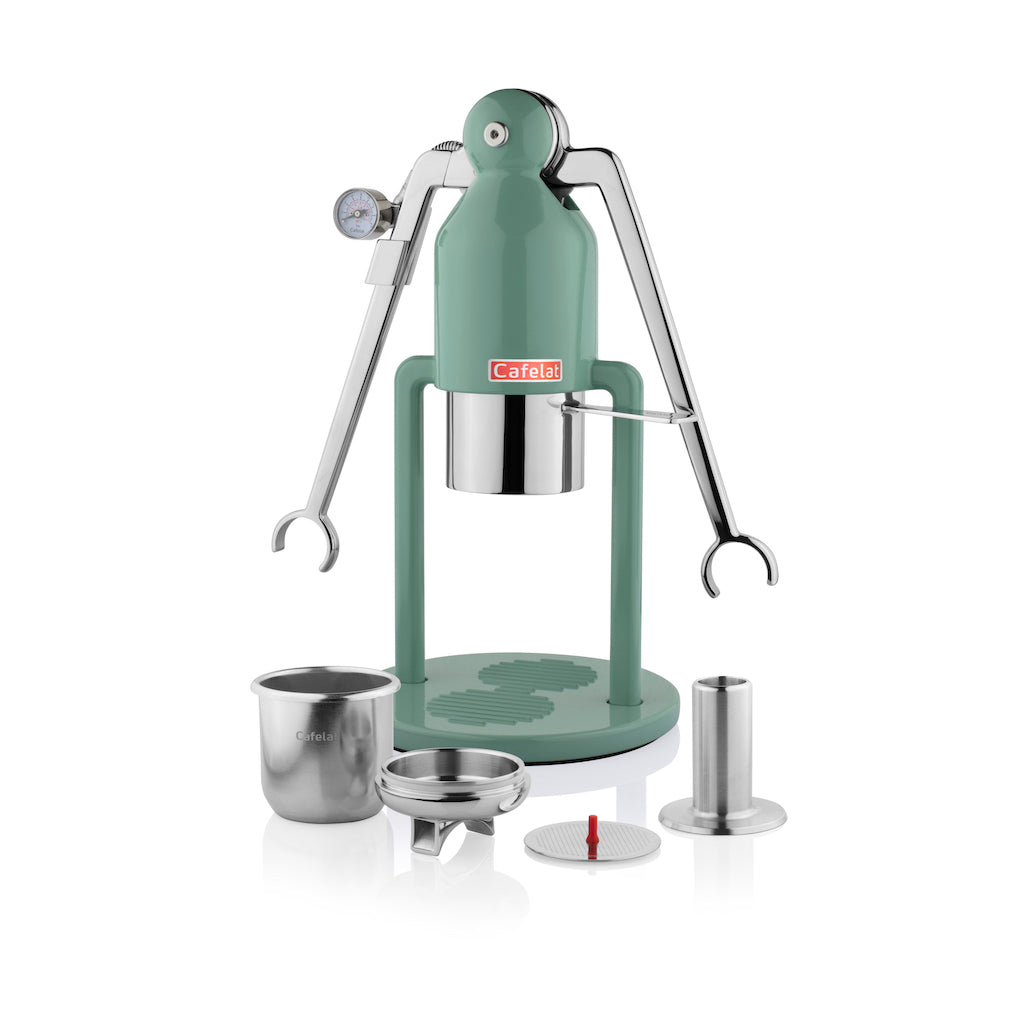
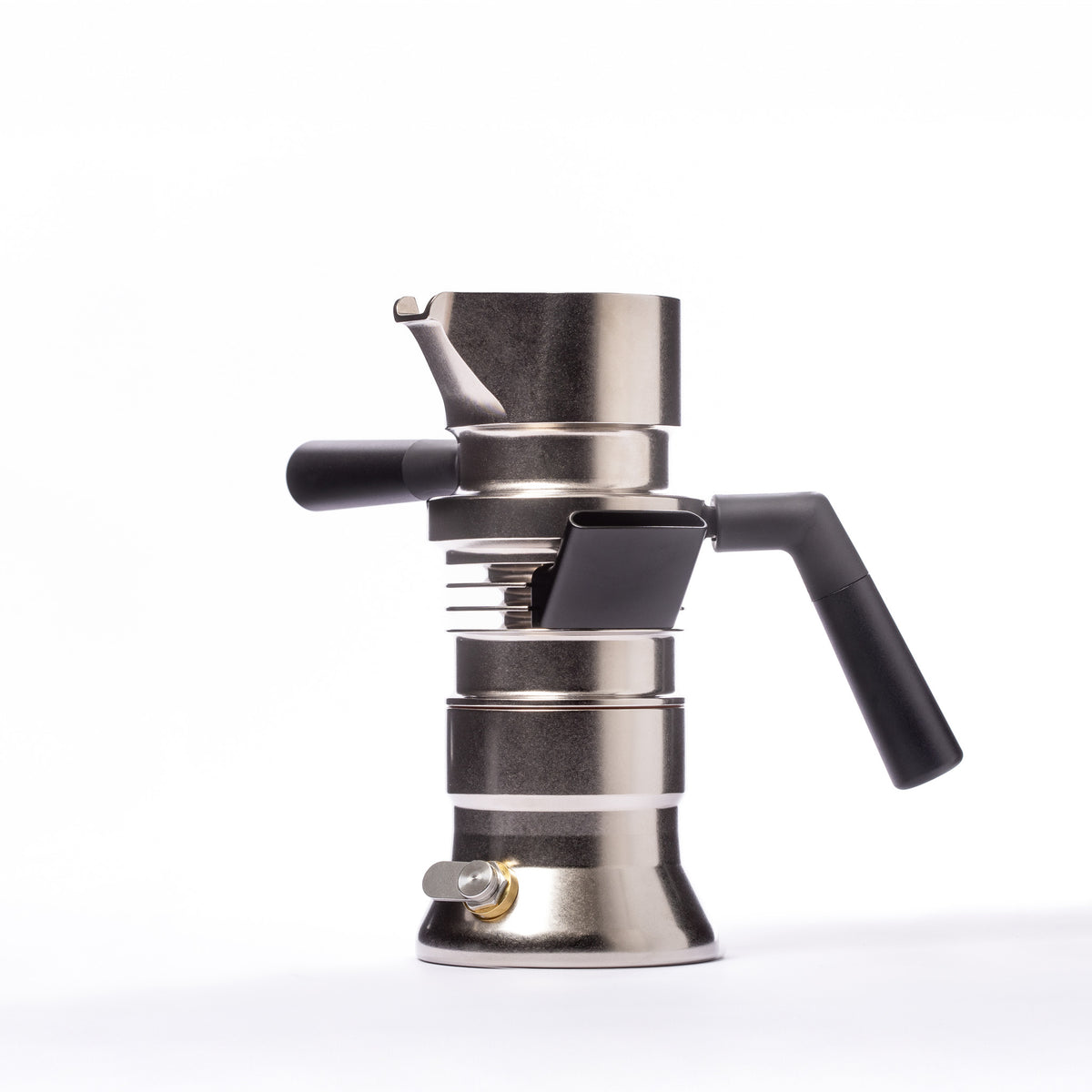
Quick take: The Cafelat Robot costs $146 less and has a spec sheet that calls out manual lever, pressure gauge and naked portafilter; the 9Barista Mk.2 has a spec sheet that calls out stovetop powered, true 9-bar pressure and twin-boiler design.
| Spec | Cafelat Robot | 9Barista Mk.2 |
|---|---|---|
| Standout features | Manual Lever, No Electricity, Pressure Gauge, Naked Portafilter, All Metal Construction | Stovetop Powered, True 9-Bar Pressure, Twin-Boiler Design, Zero Electronics, Induction Compatible, 53mm Basket |
| Approx. price | ~$599 | ~$745 |
| Type | Manual/Lever | Manual/Lever |
| Boiler | None | Single Boiler |
| Built-in grinder | No | No |
| Pump pressure | — | 9 bar |
| Water capacity | N/A | 4 oz |
| Warm-up time | 0 seconds | 3-6 minutes |
| Steam wand | — | — |
| Basket type | Unpressurized Only | Unpressurized Only |
| Best for | Purists | Espresso Purists |
| Dimensions | 9.4 x 9.4 x 12.2 in | 3.1 x 3.1 x 7.1 in |
| Weight | 6.6 lbs | 4 lbs |
| Warranty | 1 year | 5 years |
Pros & cons
Cafelat Robot
- ✓No electricity or electronics to break
- ✓Extremely portable
- ✓Built like a tank
- ✓Surprisingly forgiving for manual
- ✗No steam wand at all
- ✗Need separate kettle
- ✗Manual effort every shot
- ✗No temperature control
9Barista Mk.2
- ✓Genuine 9-bar, 93C extraction with real crema - not moka pot coffee
- ✓Nothing electronic to break; built to last decades and fully rebuildable
- ✓Tiny footprint travels to kitchens, boats, and campsites with a gas stove
- ✓Self-regulating design needs no gauges or temperature surfing
- ✗One double shot per 3-6 minute cycle - slow for multiple guests
- ✗No steam wand, so milk drinks need a separate frother
- ✗Demands a capable grinder and fine dialing-in like any real espresso
- ✗Body gets scorching hot and must cool before refilling
What owners say
Cafelat Robot
The Robot inspires a devotion that is unusual even in a hobby full of devotion, and the reason is that it strips espresso back to almost nothing. There is no pump, no boiler, no electronics and no electricity — you pour hot water into the chamber and press two arms down, and the entire pressure profile is your body. What owners report is that this simplicity turns out not to be a compromise. The most telling story in these discussions is the owner who upgraded from a Robot to a Lelit Mara X, a proper heat-exchanger machine costing several times more, and went back to the Robot after a few months because they preferred both the workflow and the flavour. That is not a common direction of travel. Full owner insights →
Similar machines
Flair
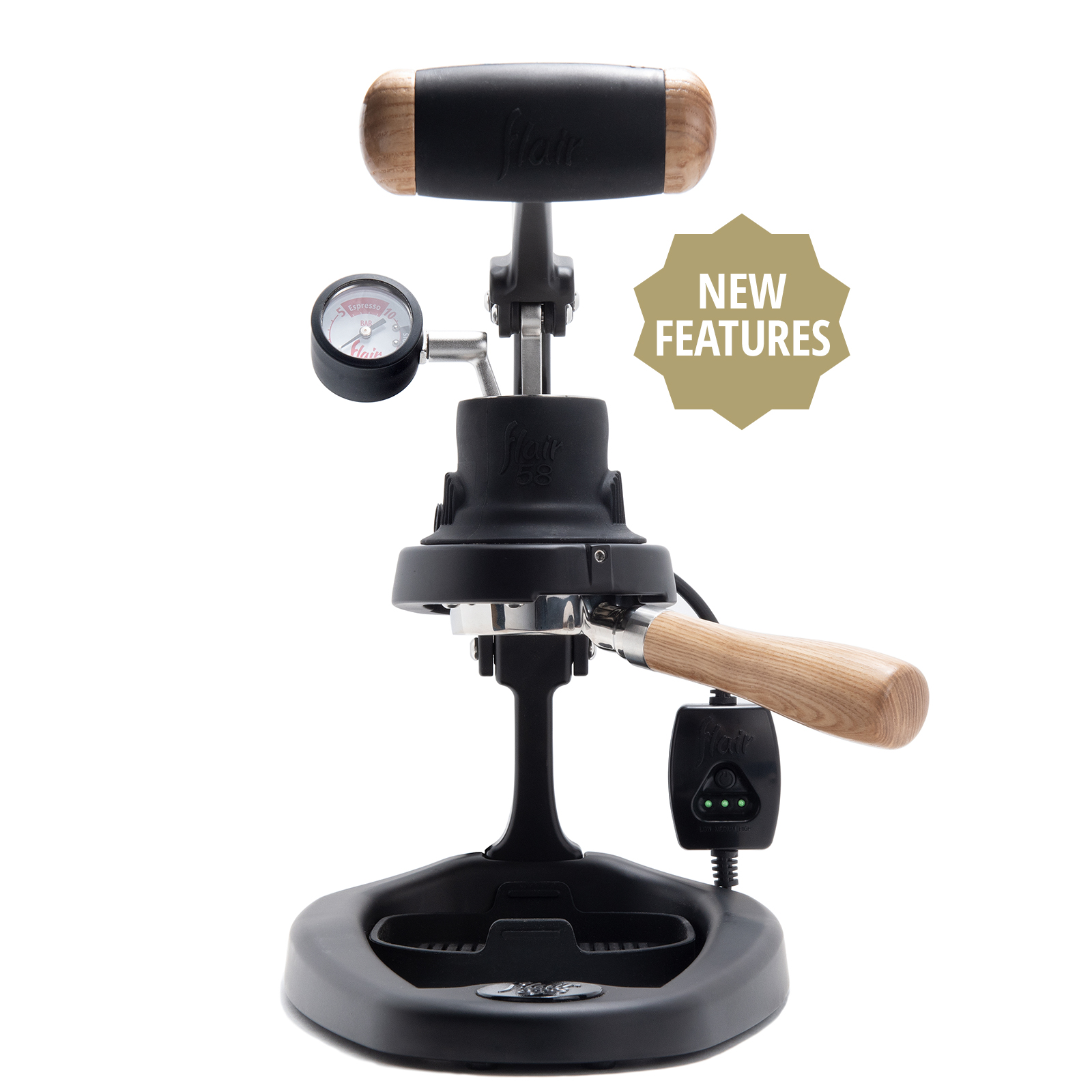
Flair 58 Plus 2
Flair's flagship manual lever espresso maker, and the version of the Flair 58 it sells today. You press the shot by hand against a pressure gauge, through a standard 58mm portafilter and a brew path with no plastic in it. The preheat controller is now built into the base, with three settings (185, 194 and 203°F) for dark, medium and light roasts, and the machine unplugs to pull shots with no cord. In the box: high-dose, low-dose and pressurized baskets, a walnut portafilter and tamper, and a shot mirror.
La Pavoni
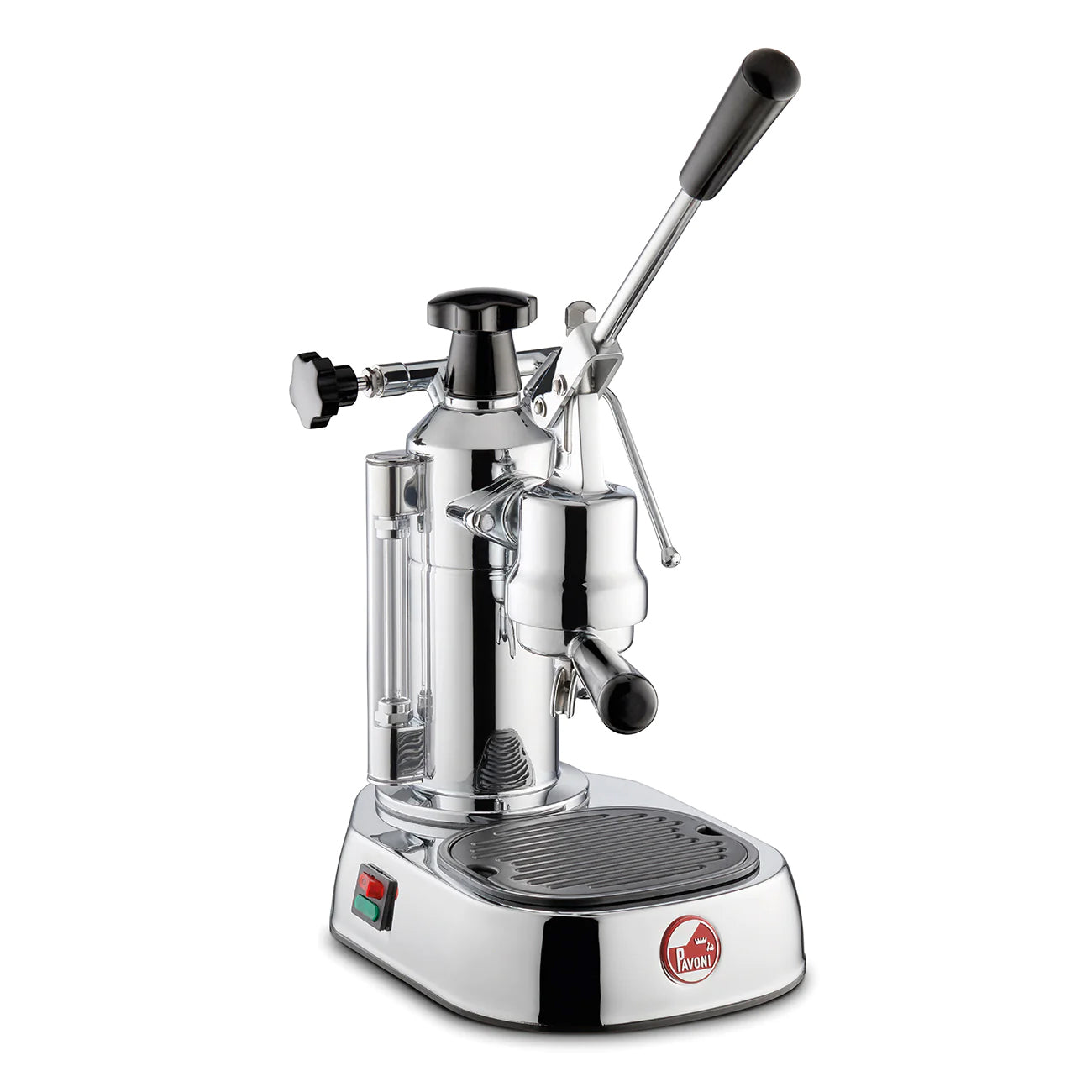
La Pavoni Europiccola
Iconic Italian lever machine hand-built in Milan since 1961, offering total manual control and showpiece triple-chrome styling.
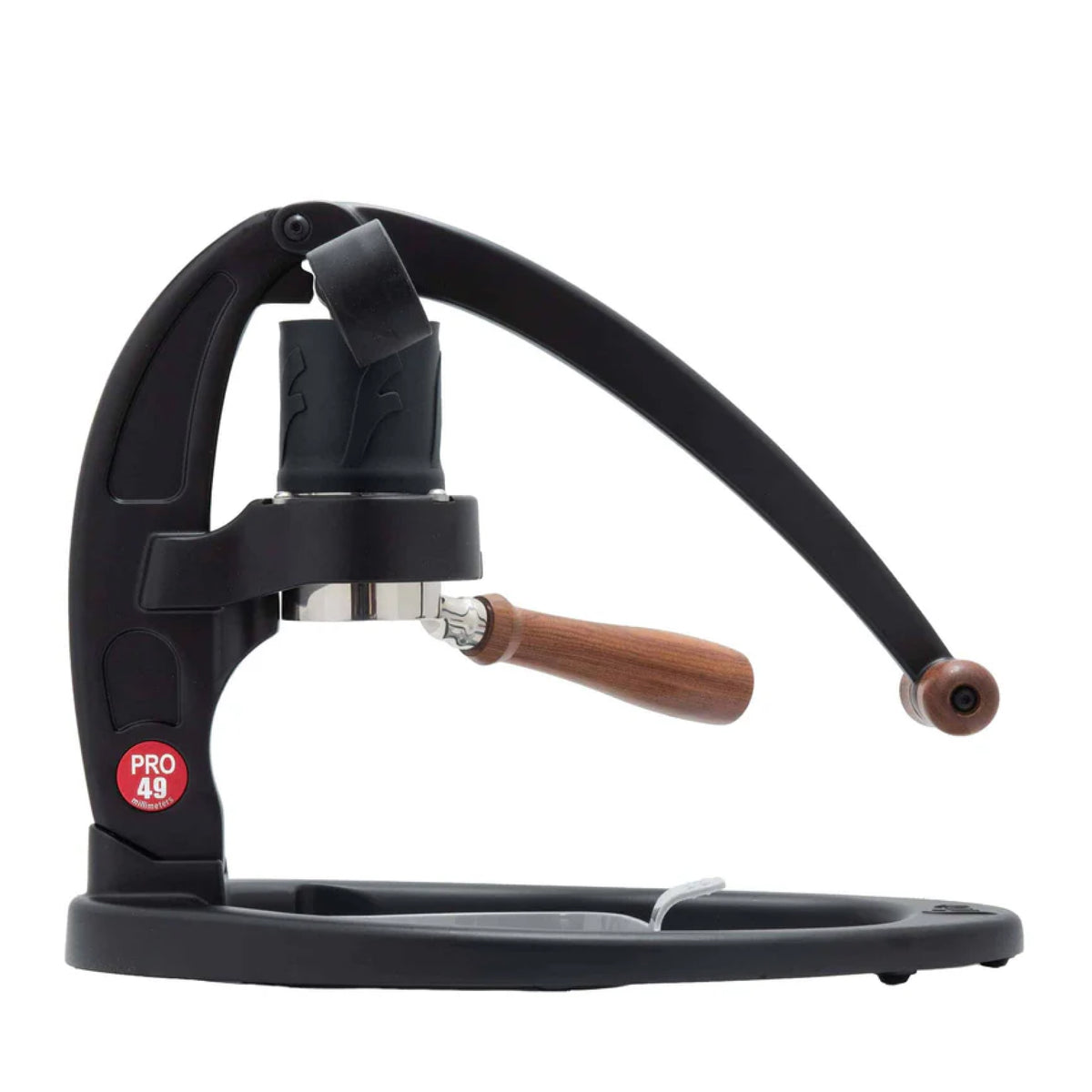
Flair
Flair 49 Pro
The newest model in Flair's PRO line, after the PRO 2 and the PRO 3, which Flair now sells only refurbished. It is a manual lever with a 49mm portafilter, an integrated pressure gauge and no plastic anywhere in the stainless brew path. The cylinder stays fixed to the press and a valve plunger takes its place between shots, so nothing has to come apart to pull the next one. No electricity required.