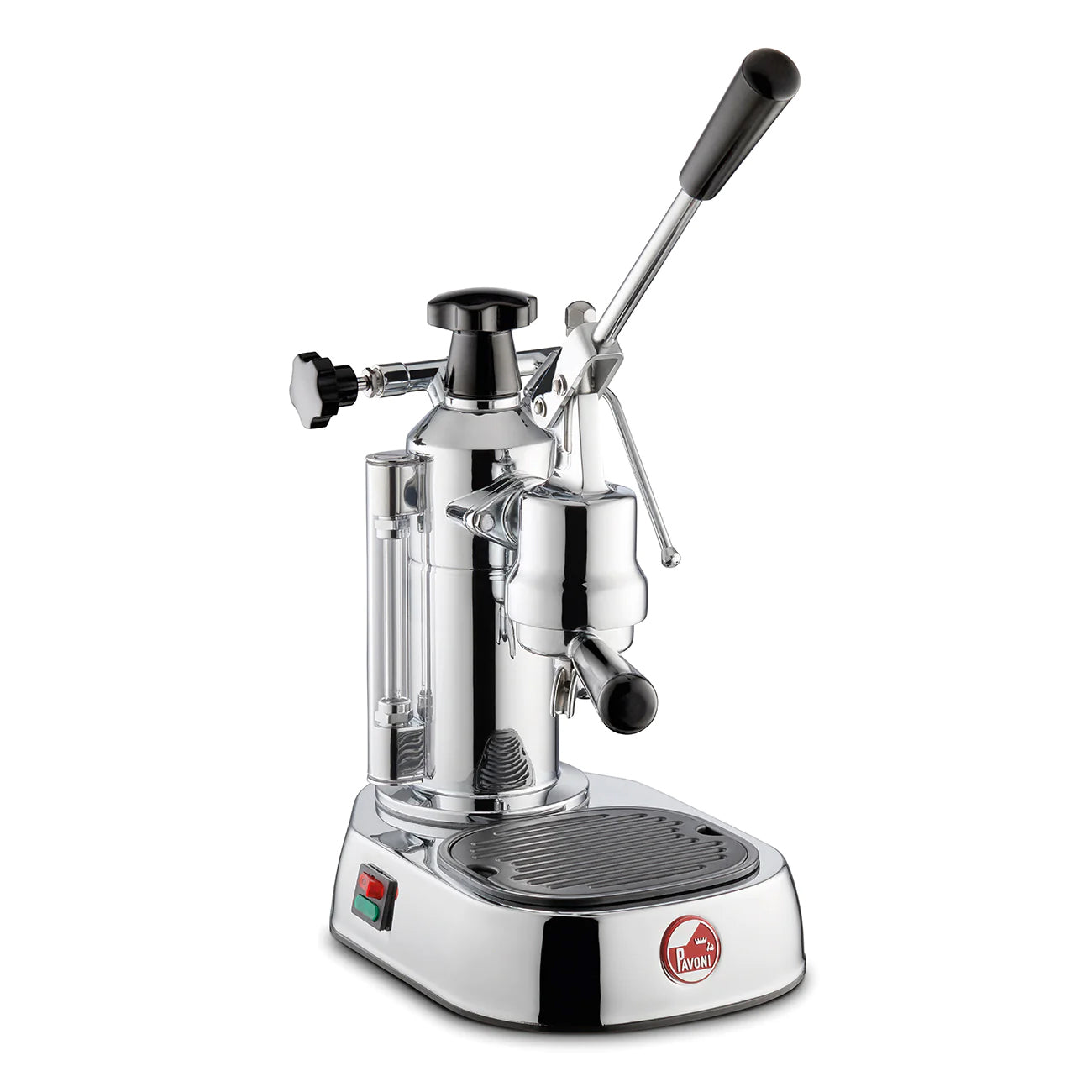
La Pavoni
La Pavoni Europiccola
Iconic Italian lever machine hand-built in Milan since 1961, offering total manual control and showpiece triple-chrome styling.
We may earn a commission.
Price and availability on Amazon's site may differ.
Specifications
Features
Pros
- ✓Full manual lever control enables pressure profiling and exceptional shots once mastered
- ✓Gorgeous triple-plated chrome build that owners display like kitchen art
- ✓Simple, fully rebuildable design - 1970s units still run, parts remain plentiful
- ✓Boiler-fed manual steam wand handles milk drinks a Picopresso or Flair cannot
Cons
- ✗Notorious temperature-management learning curve - the small boiler overheats after 1-2 shots
- ✗No pressure gauge or temperature display on the base model; consistency takes months
- ✗Much of the negative retail sentiment comes from unprepared buyers frustrated by the ritual
- ✗Small 51mm baskets and limited steam capacity make back-to-back drinks slow
What the Community Says(652 discussions)
The Europiccola is less a product than a lineage. La Pavoni has been building this chrome-and-brass manual lever essentially unchanged for decades, which means a machine bought new at $1,108 shares its architecture with units from the 1970s that are still pulling shots today — and it means most of the conversation around it concerns machines forty years old rather than new ones. There is no pump and no electronics to speak of: you raise a lever, and your own arm provides the pressure, with the profile of the shot determined by how you move it. That directness is the entire appeal. Owners who have learned the machine describe it as making some of the best espresso they have ever had, and as surprisingly forgiving once understood, while being honest that understanding it takes real effort. It is also the most repairable machine in this catalogue by a wide margin, with a full gasket and seal ecosystem available from specialist suppliers and a restoration community that will happily walk you through a rebuild.
Temperature is the skill this machine demands, and it is not optional. There is no PID and the small boiler sits directly beneath the group, so the group head climbs steadily in temperature as you use it — pull shots without managing that and you will move from under-extracted to scorched within a few drinks. The universal advice is to fit a thermometer that makes good metal-to-metal contact with the group head and learn its thermal behaviour; owners go as far as attaching probes and logging heating curves to build a picture of how blank flushes and idle time move the temperature. The other piece of technique that separates good shots from channelled ones is the order of operations: raise the lever to the point just before water begins to flow through the group, then insert the portafilter, then raise the lever the rest of the way. Inserting a loaded portafilter first and lifting from rest draws air back through the puck and creates cavities. Beyond that, the honest limitations are a small boiler that wants a reheat after a couple of drinks, a shower screen that benefits from a puck screen and a gently cracked-open start, and the simple physical reality that operating a lever several times every morning for two people gets tiring — more than one long-term owner has retired theirs to a shelf and bought something with a pump.
Buying used is the normal route, and the machines turn up everywhere from €250 market stalls to twenty-dollar thrift finds. The main distinction to understand is between the pre-2000 machines and the later Millennium revision, identifiable by group-head shape and the placement of the power switch; enthusiasts have strong preferences, and sellers frequently misidentify which they have. Whatever the age, assume a full set of new gaskets is your first job — they are inexpensive, they teach you the machine, and a twenty-year-old machine needs them regardless of how little it was used. Inspect hard for rust and scale in the boiler, the sight glass and the portafilter, because corrosion is the one fault that turns a bargain into a project. Sensible first upgrades are a single-hole steam tip, a group pressure gauge and a bottomless portafilter. Against a Flair or similar modern manual lever, the Pavoni is heavier, hotter, harder and infinitely more serviceable; against any pump machine at this price it is slower and less consistent, and that is precisely what its owners want from it.
Common Questions about the La Pavoni Europiccola
Compare the La Pavoni Europiccola
Related machines
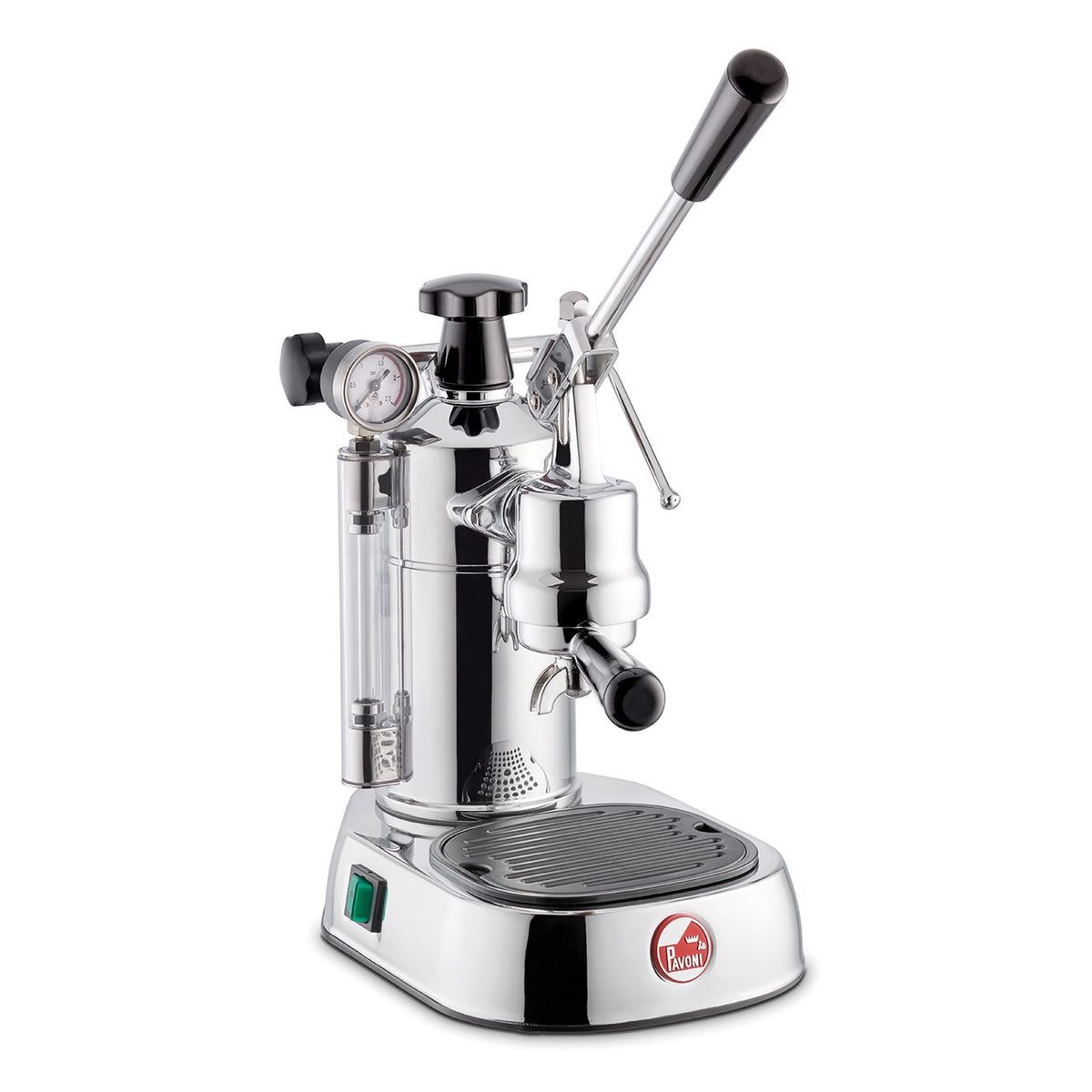
La Pavoni
La Pavoni Professional
The classic step up from the Europiccola: same hand-lever ritual, but a 38oz nickel-plated brass boiler pulls 16-plus shots per fill and the mounted pressure gauge takes the guesswork out of heat management. Unchanged Italian design since 1974.
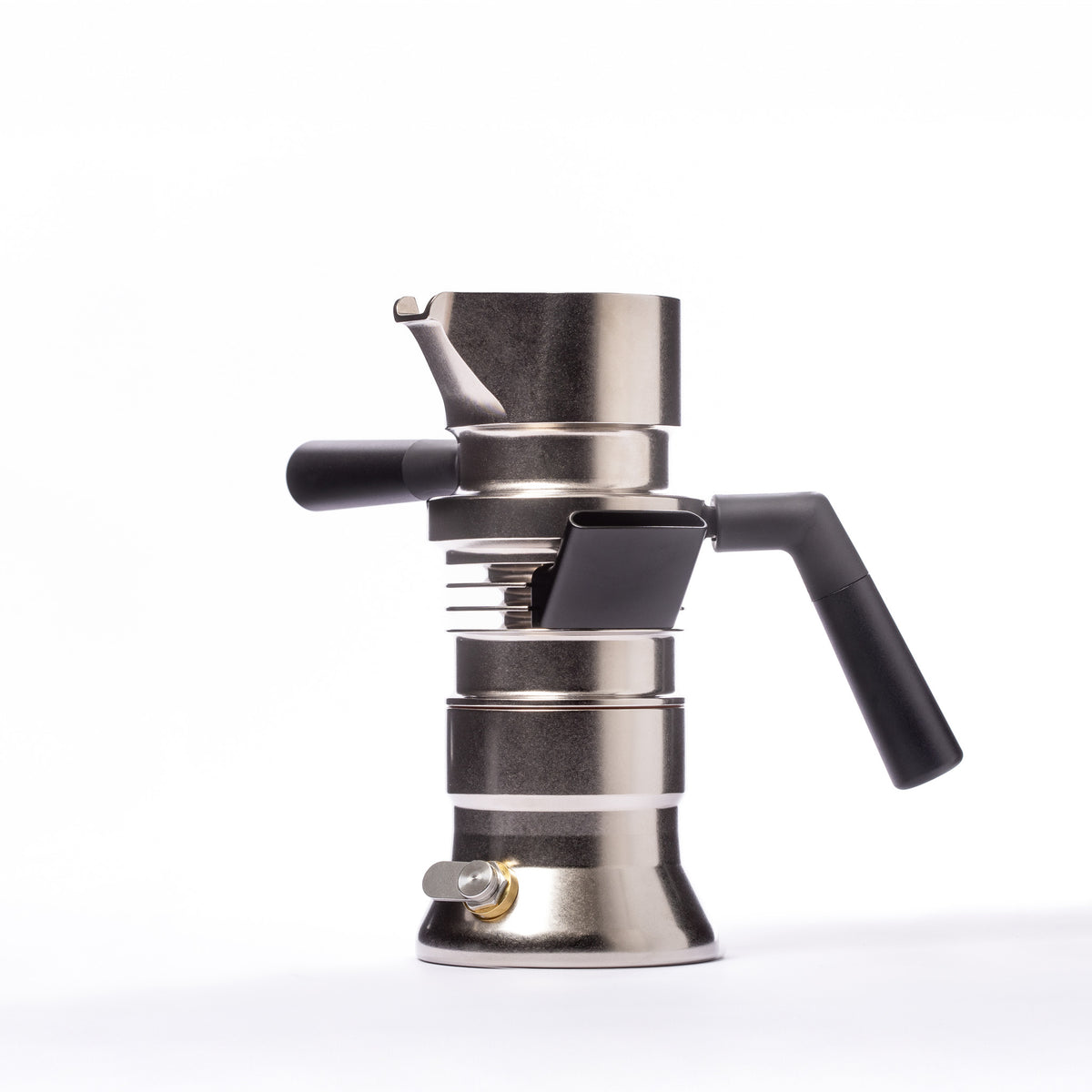
9Barista
9Barista Mk.2
A Cambridge jet-engineer's answer to the moka pot: a patented twin-boiler brewer that uses stove heat to build a true 9 bar and self-regulates water to 93C at the puck. No pump, no cord, no electronics - just machined brass and stainless that pulls cafe-grade doubles anywhere with a flame or induction hob.
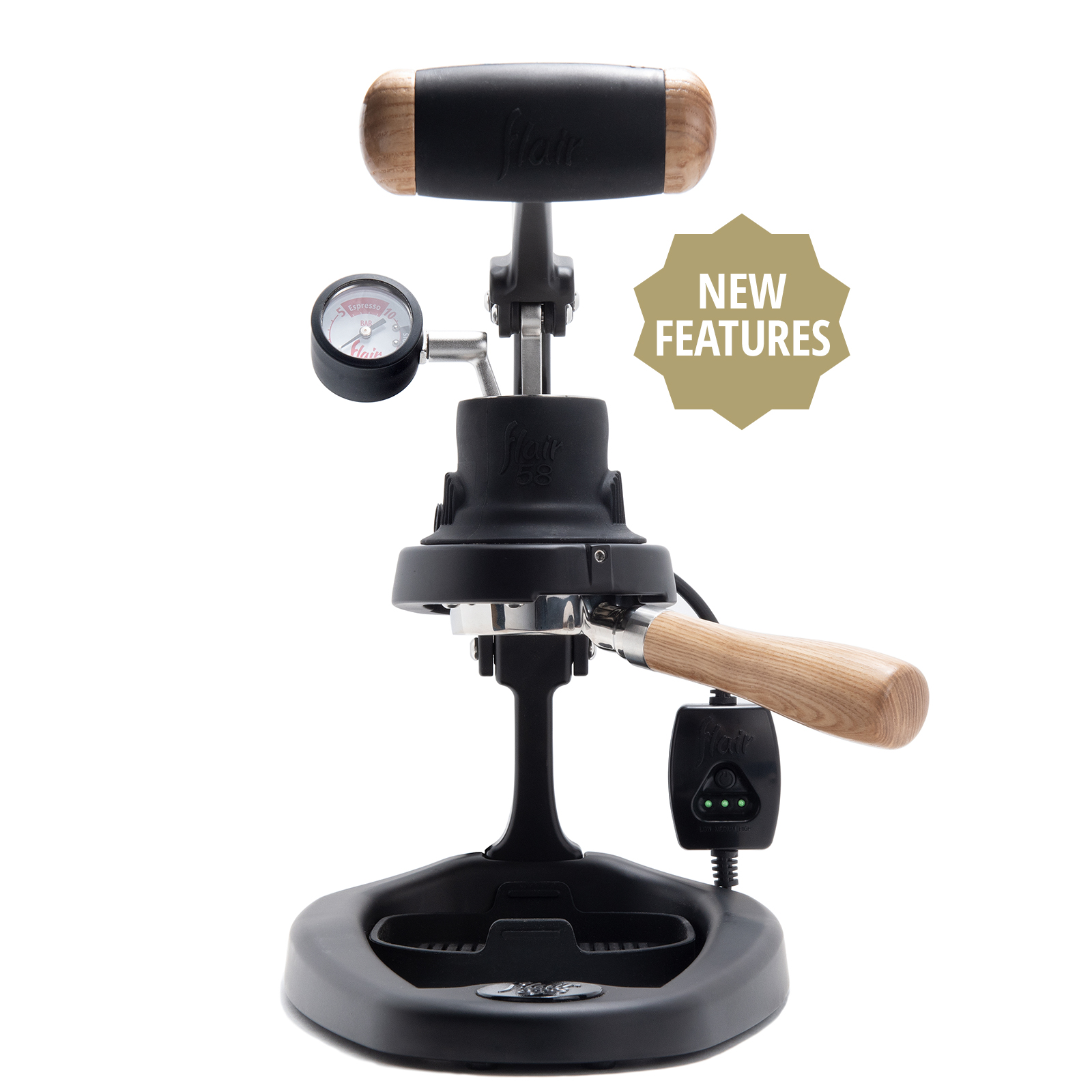
Flair
Flair 58
Manual lever espresso maker with standard 58mm portafilter. Full pressure profiling through direct lever control. Electric preheating keeps the brew chamber at temperature. The current version is the Flair 58 Plus 2, which ships with high-dose, low-dose, and pressurized baskets. Flair now ships this platform as the 58 Plus 2, the latest revision with the preheat controller and updated valve plunger.
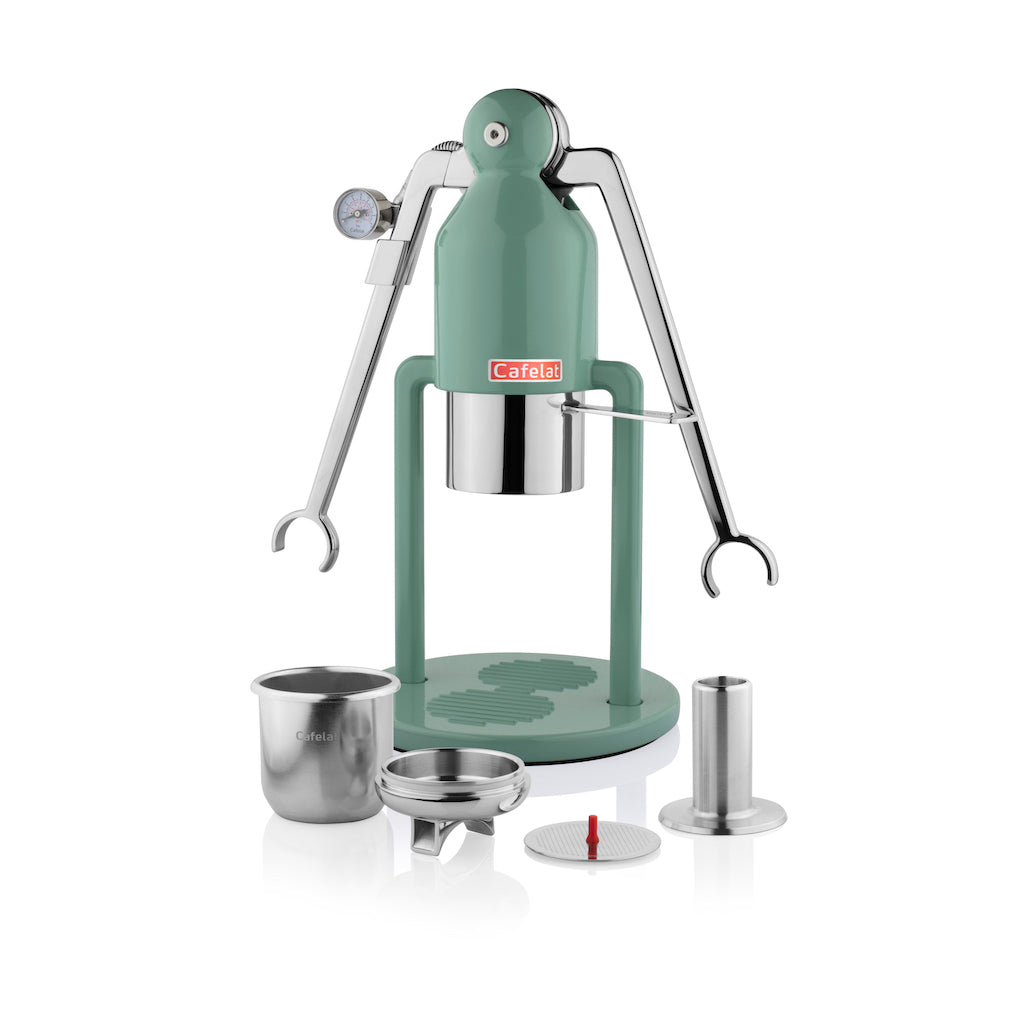
Cafelat
Cafelat Robot
Beautifully simple manual lever espresso maker. No electricity, no electronics — just hot water, ground coffee, and your arms. Surprisingly consistent results.
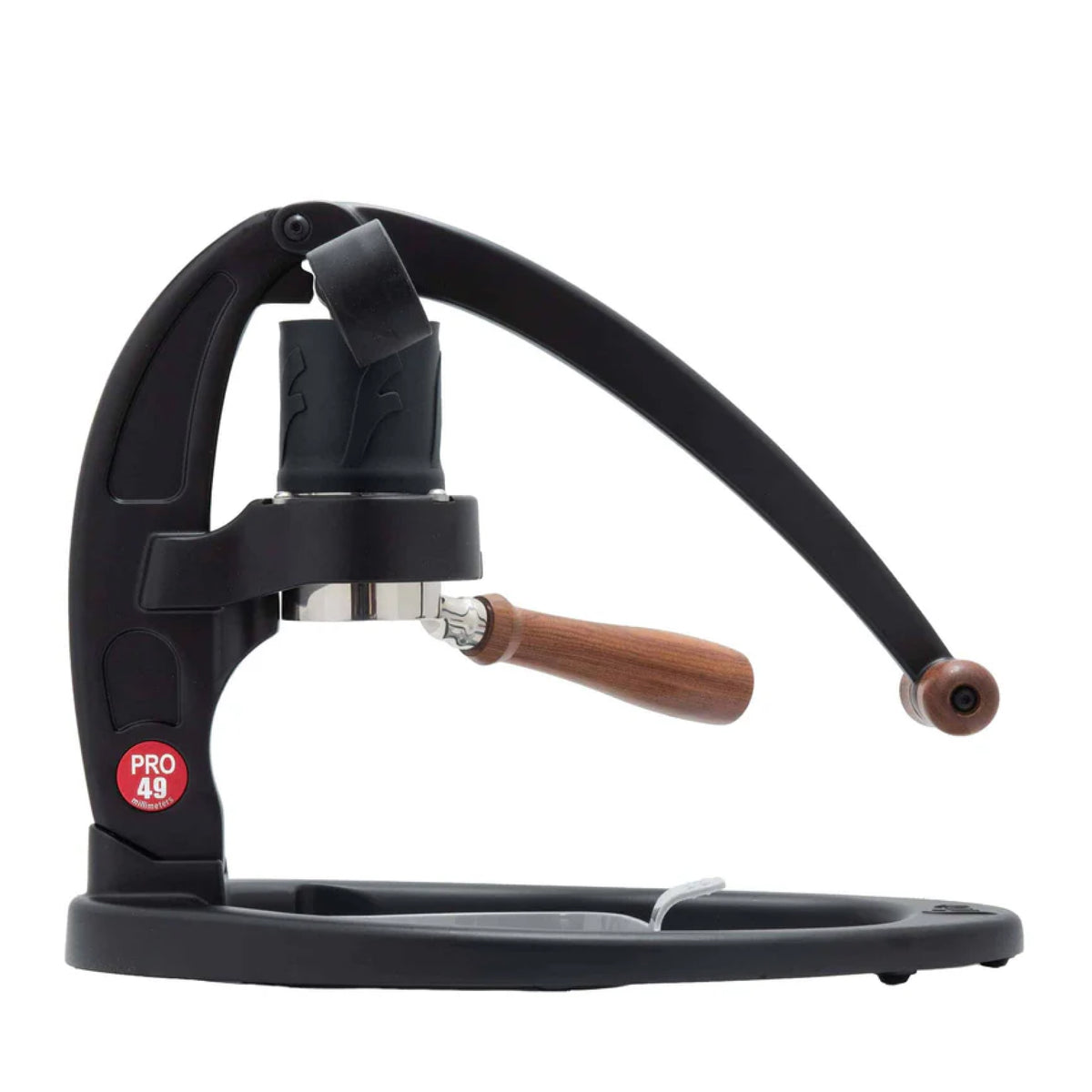
Flair
Flair 49 Pro
Successor to Flair's beloved PRO 2: a 49mm manual lever with an integrated pressure gauge, zero plastic in the all-stainless brew path, and a detachable brew head you can preheat - no electricity required.
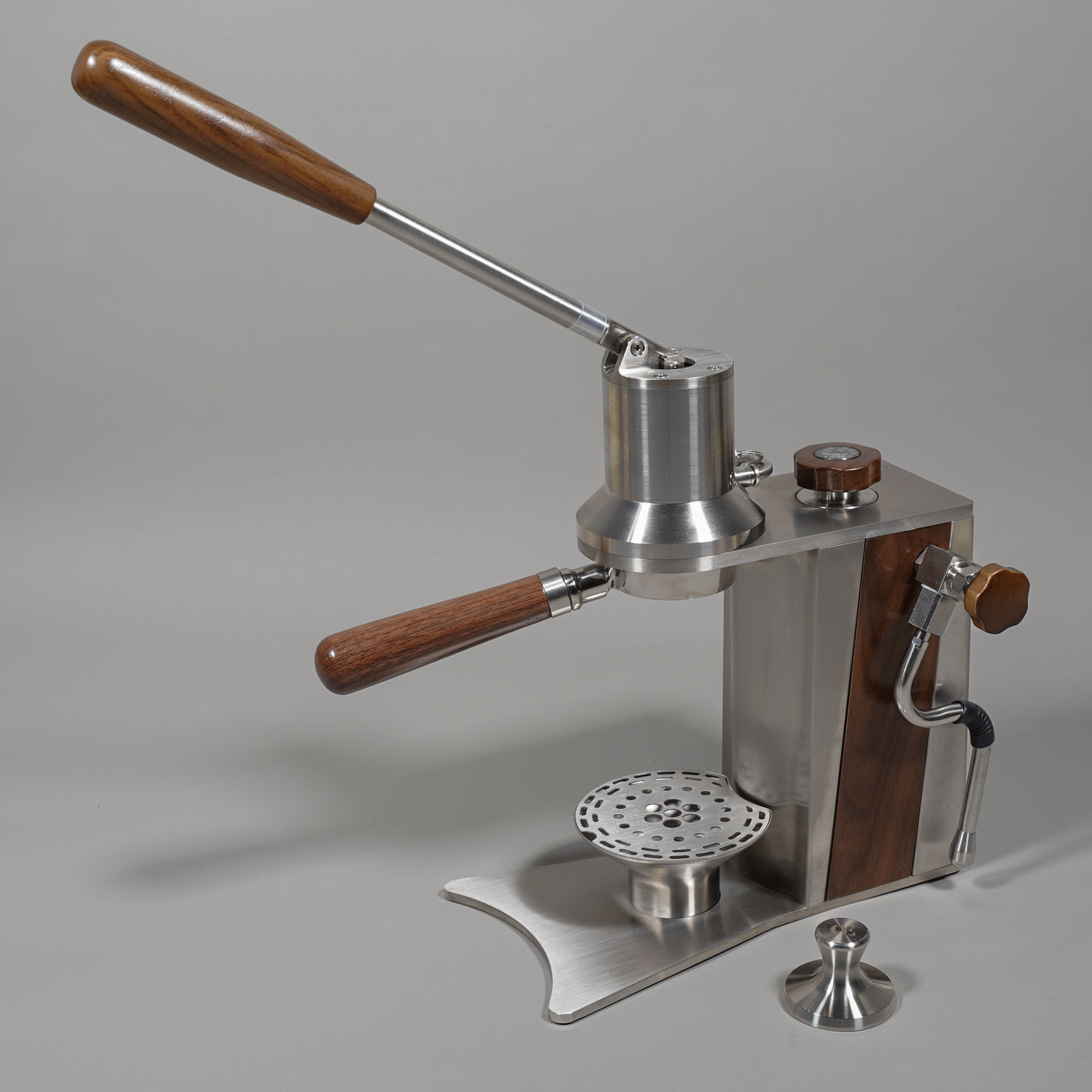
Odyssey Espresso
Odyssey Argos
A modern rethink of the lever machine: swap between a 6-bar spring, 8-bar spring, or pure manual operation on the same 58mm group, with a PID-controlled 0.6L boiler fixing the temperature guesswork that plagues vintage levers. Bluetooth datalogging graphs every shot in the companion app. Sold in pre-order batches; current Batch 4 orders carry roughly a four-month lead time.