
Jura
Jura E8
Swiss-built super-automatic with P.E.P. pulse extraction delivering 17 one-touch specialties from ristretto to flat white. Updated to the 2026 generation with the P.A.G.2+ grinder and Sweet Foam function.
We may earn a commission.
Price and availability on Amazon's site may differ.
Specifications
Features
Pros
- ✓Pulse Extraction Process produces best-in-class super-auto espresso and crema
- ✓Professional fine foam frother makes silky milk with zero effort
- ✓Professional Aroma Grinder is fast and notably quiet
- ✓Automated rinse and clean cycles make daily upkeep genuinely hands-off
Cons
- ✗Brew group is not user-removable - a constant point of debate among owners
- ✗Locked into Jura's Claris filters and cleaning tablets as an ongoing cost
- ✗Milk hose and container demand diligent cleaning to stay sanitary
- ✗High cost of ownership with proprietary accessories on top of $2,500
What the Community Says(622 discussions)
The E8 is the machine most people mean when they say they want "a Jura" — the middle of the Swiss range, where the brand's genuinely useful engineering starts. The detail owners keep coming back to is the 16-gram brewing unit. Jura's cheaper E4 and ENA machines cap out around 10 grams, and long-time users argue that dose ceiling, more than anything on the spec sheet, is what separates a thin, hollow shot from a balanced one. Pair that with a grinder well regarded by super-automatic standards, a genuinely large drink menu and one-touch milk, and you get a machine people buy expecting to keep for a decade. What you do not get for $2,799 is a modern interface: there is no touchscreen, just a small colour display ringed by buttons that owners repeatedly call clunky and dated, and the chrome finish is plastic that shows every fingerprint.
Two complaints dominate ownership, and both are fixable once you know them. The first is weak, watery coffee — an extremely common early post, and the answer is nearly always the same: grind finer, push the strength setting to maximum, and cut the water volume rather than chasing a bigger cup. Owners coming from pod machines are usually delighted; owners coming from a good manual setup and a quality grinder frequently are not, and say so bluntly. The second is milk temperature. Drinks land cooler than people expect, and the community's standard workarounds are preheating the cup or briefly warming the milk before it goes through, with no reported effect on foam quality. Beyond that, the milk circuit is the machine's real maintenance burden: it forces a rinse cycle on a timer, the hose visibly fouls within a couple of weeks, and there is a small removable end piece — undocumented in the manual — that quietly packs with old milk and kills suction until you pull it apart. Reliability splits the room sharply. Plenty of owners report 2018 machines still running at seven to fourteen thousand cups with nothing more than descaling, while others have sent a machine back three times inside two years and been issued a refurbished replacement that also failed. The structural catch is that you cannot remove the brew group yourself, so a Jura goes back to Jura, and the community treats a roughly $400–500 factory refurbishment every six to eight years as a normal cost of ownership rather than a fault.
At $2,799 the E8 is priced as a premium object, and that is exactly where the argument starts. Its most-cited rival is the KitchenAid KF8, which sells for around a thousand dollars less; owners who bought both and ran them side by side generally report the espresso is close to indistinguishable once the KitchenAid's flow is set to maximum, and prefer the KitchenAid's touchscreen and its removable brew group and swappable bean hopper. Against De'Longhi, several people who cross-shopped the Eletta Explore or Rivelia went back to the De'Longhi specifically for better milk drinks and a friendlier interface. What keeps buyers on the E8 anyway is the dose size, the grinder, and a repair path that genuinely does resurrect twenty-year-old machines. Buy it if you want a large one-touch drink menu from a machine with a long service life and you accept sending it away for maintenance; buy the KF8 if you want most of the cup for much less money and the ability to clean the brew group at your own sink; and if you mainly drink straight espresso and enjoy the process, the honest advice from owners who made the switch is that no super-automatic at any price will match a portafilter machine.
Common Questions about the Jura E8
Compare the Jura E8
Related machines

Jura
Jura ENA 8
Jura's compact one-touch machine with a new touchscreen, 15 specialties, and fine foam milk drinks in a 10.7-inch-wide footprint.

Jura
Jura E6
Swiss-made super-automatic with Pulse Extraction Process (P.E.P.) for optimal espresso aroma. Brews 11 specialty coffees.

Jura
Jura S8
Mid-upper Jura with a 4.3-inch touchscreen, Professional Aroma Grinder, and Sweet Foam function pulled down from the Z-line.
Jura
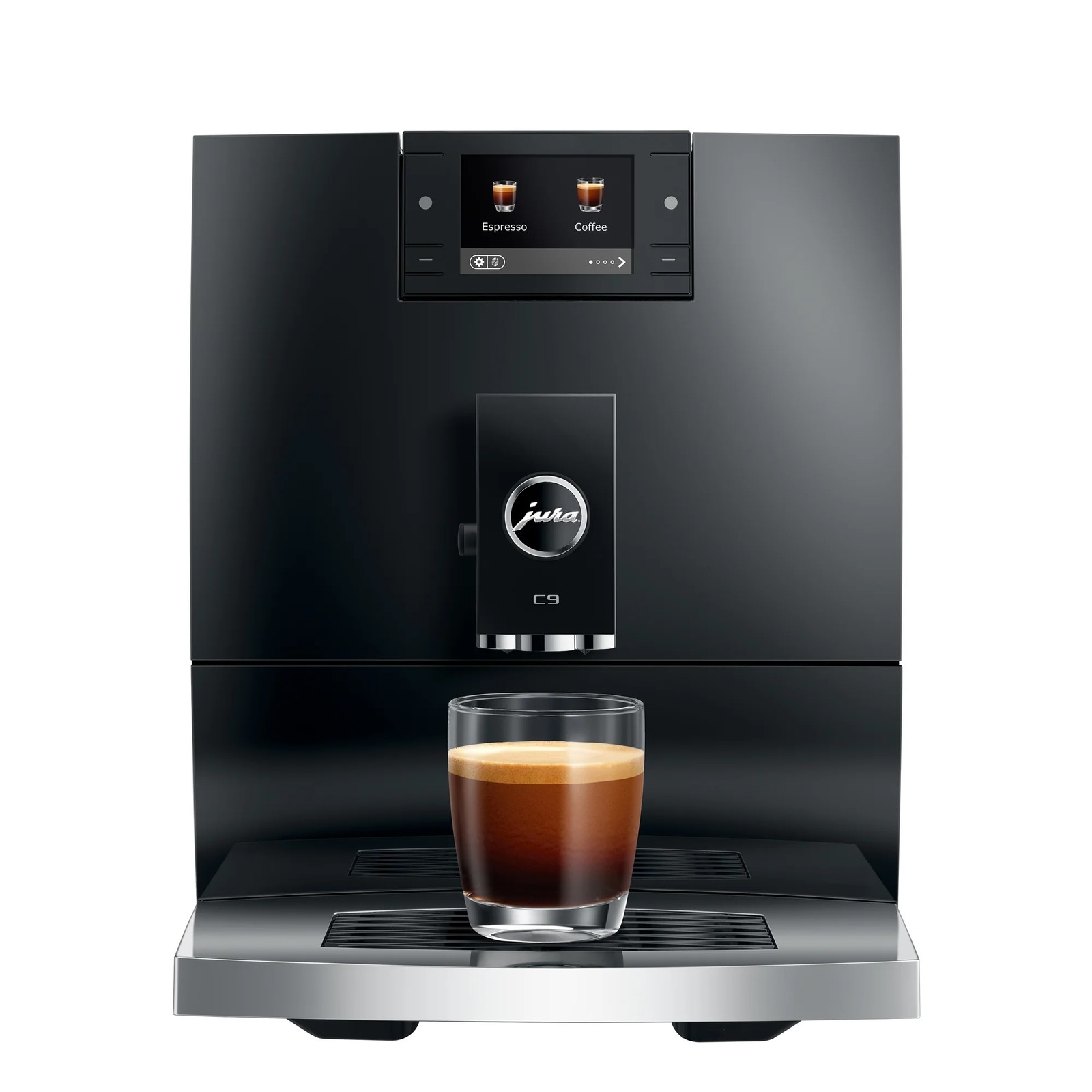
Jura C9
The lowest list price in Jura's range for a machine with a milk system: 17 one-touch specialties including flat white, cortado and espresso macchiato through the HP1 milk spout, plus Light Brew versions pulled at about 140 F with 10% less coffee so they can be drunk right away. It shares the C3's 10.2-inch-wide body, 54 oz tank and full-size brew unit, and adds a 2.8-inch color display.

Jura
Jura J8 Twin
Dual grinders and dual bean hoppers let the J8 Twin switch between two coffees on demand, with 31 hot specialties and Sweet Foam - but no cold-brew extraction, which is what the newer J10 adds.
Jura
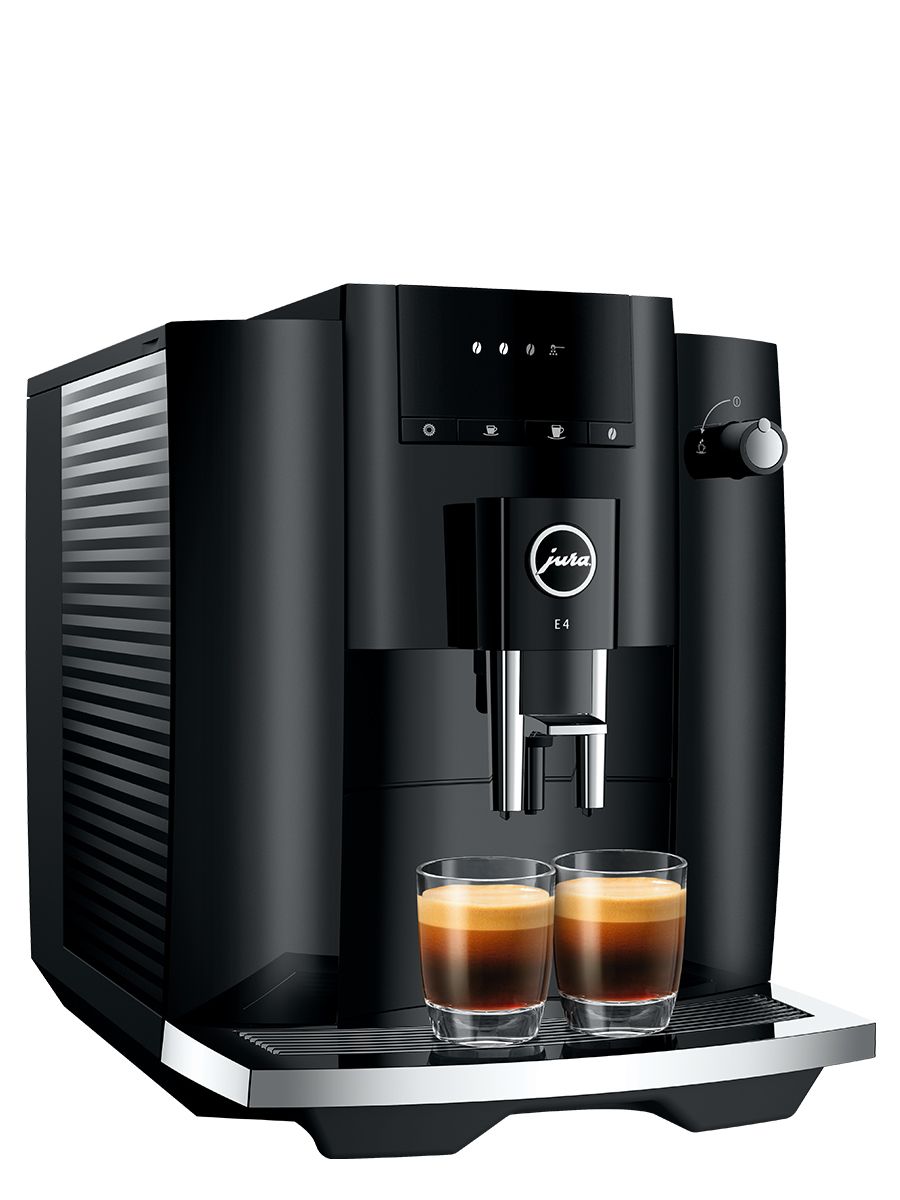
Jura E4
Jura's black-coffee purist machine: five espresso and coffee specialties with P.E.P. extraction and no milk system to maintain.