Lelit Anna PID vs Ninja Luxe Café Pro
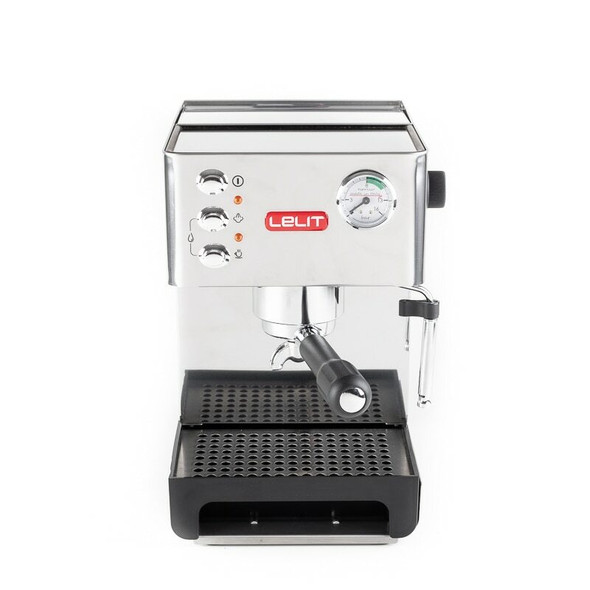
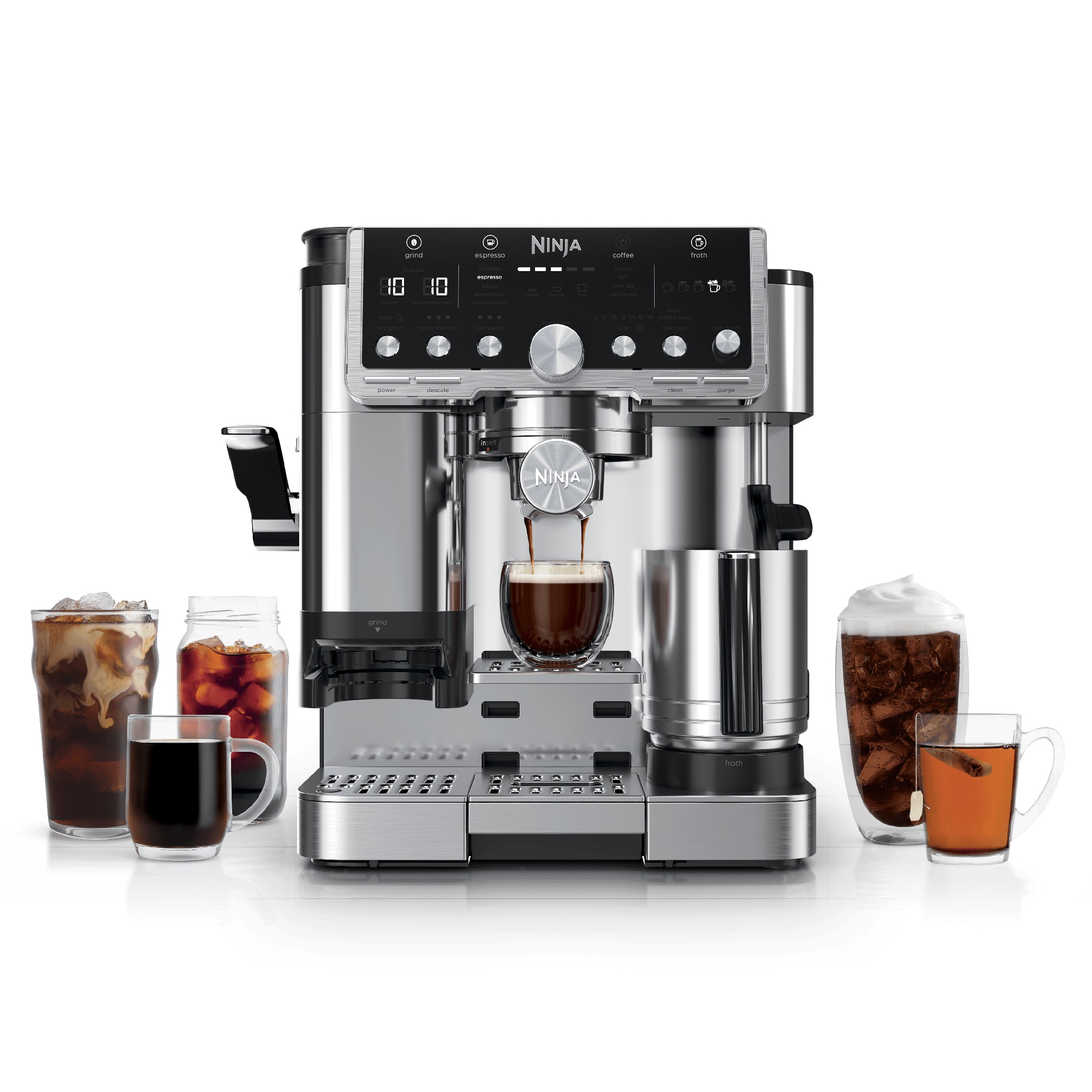
Quick take: The Lelit Anna PID costs $50 less; the Ninja Luxe Café Pro has a built-in grinder; the Ninja Luxe Café Pro heats up faster (Under 30 seconds).
| Spec | Lelit Anna PID | Ninja Luxe Café Pro |
|---|---|---|
| Standout features | PID Control, 57mm Portafilter, Brass Boiler | Built-in Grinder, Built-in Scale, Integrated Tamper, Auto Milk Texturing, Cold Brew, Hot Water Spout |
| Approx. price | ~$700 | ~$750 |
| Type | Semi-Automatic | Semi-Automatic |
| Boiler | Single Boiler | Thermoblock |
| Built-in grinder | No | Yes |
| Pump pressure | 15 bar | 9 bar |
| Water capacity | 84 oz | 68 oz |
| Warm-up time | 8 minutes | Under 30 seconds |
| Steam wand | Manual | Auto + Manual (Dual Froth Pro) |
| Basket type | Pressurized & Unpressurized | Unpressurized Only |
| Best for | Beginners | All-in-One Coffee Bars |
| Dimensions | 9.1 x 14.2 x 13.4 in | 12.5 x 13.4 x 14.8 in |
| Weight | 17.6 lbs | 27 lbs |
| Warranty | 1 year | 1 year |
Pros & cons
Lelit Anna PID
- ✓PID included at this price point
- ✓Compact and lightweight
- ✓Large water tank for its size
- ✓Good stepping stone machine
- ✗57mm portafilter (non-standard)
- ✗Single boiler workflow
- ✗Basic steam wand
- ✗Less modding community than Gaggia
Ninja Luxe Café Pro
- ✓Integrated tamper and grind-by-weight scale make prep nearly foolproof
- ✓Owners rave about the frother
- ✓Adds hot water spout, single baskets, and extra brew ratios the ES601 lacks
- ✓Heated brew group pulls genuinely intense shots through real unpressurized baskets
- ✗Flushes roughly 100ml of water between drinks, so the drip tray fills fast
- ✗No pressure gauge or temperature readout for shot diagnostics
- ✗25 grind settings are coarse-grained for serious espresso dialing
- ✗53mm portafilter ecosystem is proprietary to Ninja
What owners say
Lelit Anna PID
The Anna's appeal is that it arrives already doing what its most obvious rival needs modifying to achieve. It is a compact single boiler with PID temperature control you can actually set, a 58mm commercial portafilter, and Italian build at $700 — and the comparison owners make constantly is against a Gaggia Classic. The Gaggia is a fine machine and a beautiful one, but without a controller board fitted it leaves you temperature surfing and fighting for consistent shots. The Anna gives you adjustable, stable temperature out of the box with nothing to install. As one owner weighing the two put it, the Anna is a good choice as it comes; the Gaggia becomes the more capable machine only once you have modded it, at which point you can exceed a dual boiler with profiling and pressure control, but that is a project rather than a purchase. Full owner insights →
Lelit Anna PID vs Ninja Luxe Café Pro: common questions
Which is cheaper, the Lelit Anna PID or the Ninja Luxe Café Pro?
The Lelit Anna PID is the cheaper of the two at roughly $700, about $50 less than the Ninja Luxe Café Pro at ~$750. Both figures are approximate list prices and street prices move with sales.
Which is better for lattes and cappuccinos, the Lelit Anna PID or the Ninja Luxe Café Pro?
The Lelit Anna PID uses a manual steam wand you texture milk with yourself, while the Ninja Luxe Café Pro offers both an automatic milk system and a manual wand. An automatic system gets you a consistent milk drink with no practice; a manual wand takes a few weeks to learn but gives you proper microfoam and latte art once it clicks.
Does the Lelit Anna PID or the Ninja Luxe Café Pro have a built-in grinder?
Only the Ninja Luxe Café Pro grinds its own beans. The Lelit Anna PID needs a separate grinder, which is worth budgeting for — a dedicated burr grinder is usually the bigger upgrade to shot quality, but it also costs extra counter space and money on top of the machine.
Which heats up faster, the Lelit Anna PID or the Ninja Luxe Café Pro?
The Ninja Luxe Café Pro is ready sooner — Under 30 seconds against 8 minutes for the Lelit Anna PID. That gap matters most on weekday mornings; if you pull shots at a relaxed pace it makes little practical difference.
What is the difference in boiler design between the Lelit Anna PID and the Ninja Luxe Café Pro?
The Lelit Anna PID uses a single boiler and the Ninja Luxe Café Pro uses a thermoblock. Boiler design drives temperature stability and whether you can brew and steam at the same time, which is the main reason two otherwise similar machines behave differently once you start making milk drinks back to back.