Gaggia Classic Pro vs Ninja Luxe Café Mini Plus
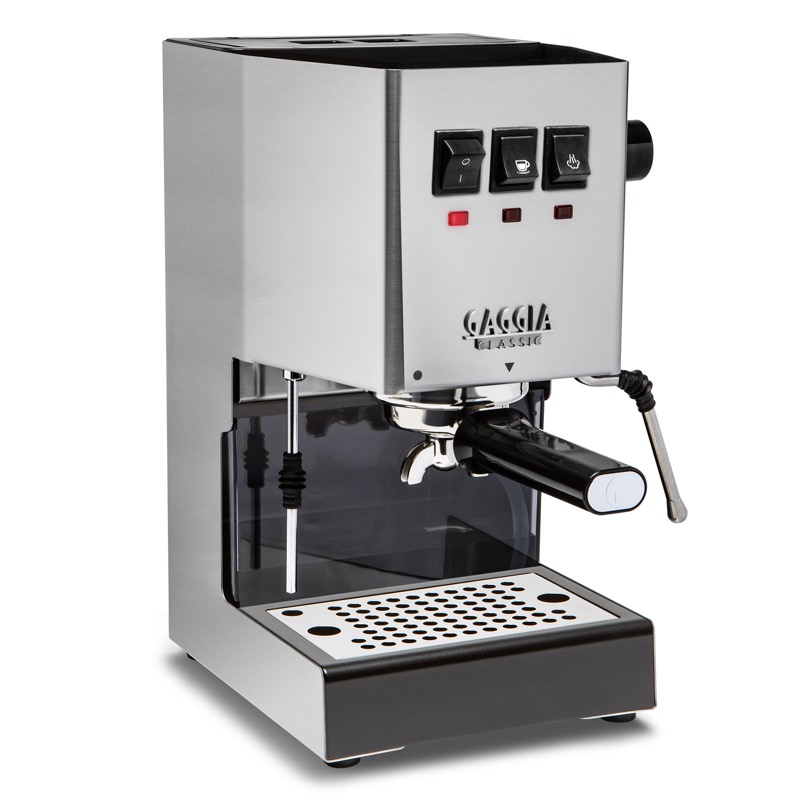
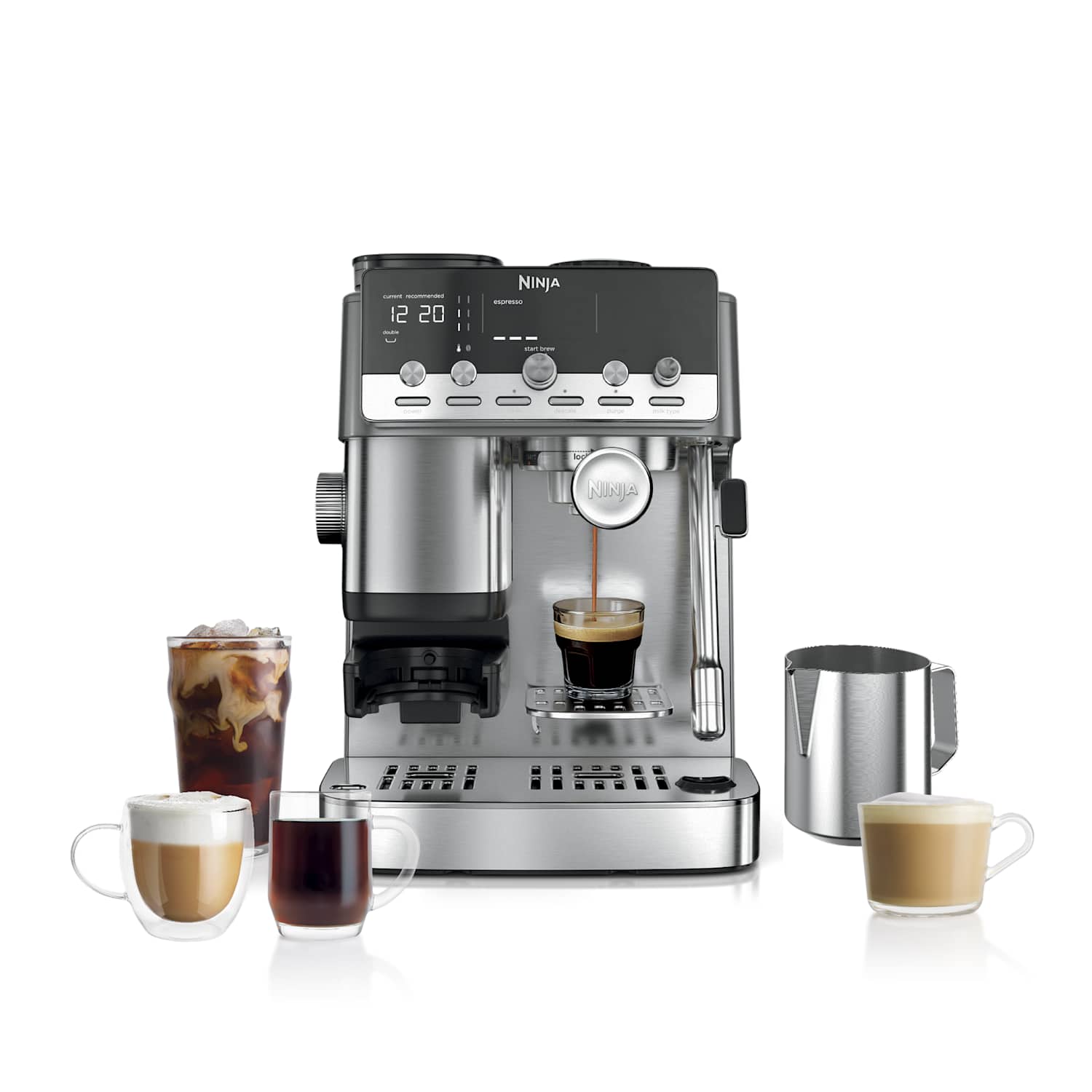
Quick take: The Ninja Luxe Café Mini Plus has a built-in grinder; the Ninja Luxe Café Mini Plus heats up faster (About 1 minute).
| Spec | Gaggia Classic Pro | Ninja Luxe Café Mini Plus |
|---|---|---|
| Standout features | Commercial Steam Wand, Solenoid Valve, 58mm Portafilter, 3-Way Valve | Built-in Grinder, Auto Milk Texturing, Steam Wand, Built-in Scale, Barista Assist, Assisted Tamper, Drip Coffee Mode |
| Approx. price | ~$450 | ~$450 |
| Type | Semi-Automatic | Semi-Automatic |
| Boiler | Single Boiler | Thermoblock |
| Built-in grinder | No | Yes |
| Pump pressure | 15 bar | 9 bar |
| Water capacity | 72 oz | 47 oz |
| Warm-up time | 10 minutes | About 1 minute |
| Steam wand | Commercial Manual | Auto + Manual (AutoFroth) |
| Basket type | Pressurized & Unpressurized | Unpressurized Only |
| Best for | Enthusiasts | Small-Space Milk Drinks |
| Dimensions | 9.5 x 8 x 14.2 in | 12.2 x 10.1 x 13.4 in |
| Weight | 18 lbs | 19.4 lbs |
| Warranty | 1 year | 1 year |
Pros & cons
Gaggia Classic Pro
- ✓Commercial group head size
- ✓Excellent steam wand
- ✓Huge modding community
- ✓Great upgrade path
- ✗No PID (easy to add)
- ✗Single boiler workflow
- ✗Basic appearance
- ✗Steep learning curve
Ninja Luxe Café Mini Plus
- ✓Adds the hands-free AutoFroth wand the manual-only Mini ES301 lacks - 3 froth presets, dairy or plant milk
- ✓Barista Assist auto-calibrates dose and grind across 60 settings with weight-based dosing
- ✓Assisted tamper and real unpressurized 53mm baskets make proper espresso nearly foolproof
- ✓Reviewers found it textures alternative milks exceptionally well for a compact machine
- ✗$50 more than the Mini ES301 for the same chassis if you never froth hands-free
- ✗No rapid cold brew mode - only over-ice drip, unlike the Luxe Café Pro
- ✗Small 47-oz tank needs frequent refills, and reviewers noted sputtering while dispensing
- ✗June 2026 release with no US retail review base yet - just a handful of editorial tests
What owners say
Gaggia Classic Pro
For most of the last decade the Gaggia Classic Pro was the default answer to "what should my first real espresso machine be" - but the RI9380/46 is no longer the machine you buy new. Gaggia's own Classic Pro product page now serves the Classic Pro E24 and calls that the newest version, and the 2023 Classic Evo Pro that sat between the two has been folded into the same successor. What earned this platform a decade of devotion was never its feature list: a stainless shell you can stand on, a commercial 58mm group and portafilter that shares baskets, screens and tampers with machines costing five times as much, a three-way solenoid that leaves a dry puck, and internals simple enough that every wearing part is a cheap order and a screwdriver away. Full owner insights →
Gaggia Classic Pro vs Ninja Luxe Café Mini Plus: common questions
Which is better for lattes and cappuccinos, the Gaggia Classic Pro or the Ninja Luxe Café Mini Plus?
The Gaggia Classic Pro uses a manual steam wand you texture milk with yourself, while the Ninja Luxe Café Mini Plus offers both an automatic milk system and a manual wand. An automatic system gets you a consistent milk drink with no practice; a manual wand takes a few weeks to learn but gives you proper microfoam and latte art once it clicks.
Does the Gaggia Classic Pro or the Ninja Luxe Café Mini Plus have a built-in grinder?
Only the Ninja Luxe Café Mini Plus grinds its own beans. The Gaggia Classic Pro needs a separate grinder, which is worth budgeting for — a dedicated burr grinder is usually the bigger upgrade to shot quality, but it also costs extra counter space and money on top of the machine.
Which heats up faster, the Gaggia Classic Pro or the Ninja Luxe Café Mini Plus?
The Ninja Luxe Café Mini Plus is ready sooner — About 1 minute against 10 minutes for the Gaggia Classic Pro. That gap matters most on weekday mornings; if you pull shots at a relaxed pace it makes little practical difference.
What is the difference in boiler design between the Gaggia Classic Pro and the Ninja Luxe Café Mini Plus?
The Gaggia Classic Pro uses a single boiler and the Ninja Luxe Café Mini Plus uses a thermoblock. Boiler design drives temperature stability and whether you can brew and steam at the same time, which is the main reason two otherwise similar machines behave differently once you start making milk drinks back to back.