De'Longhi Stilosa vs De'Longhi Classic EM350
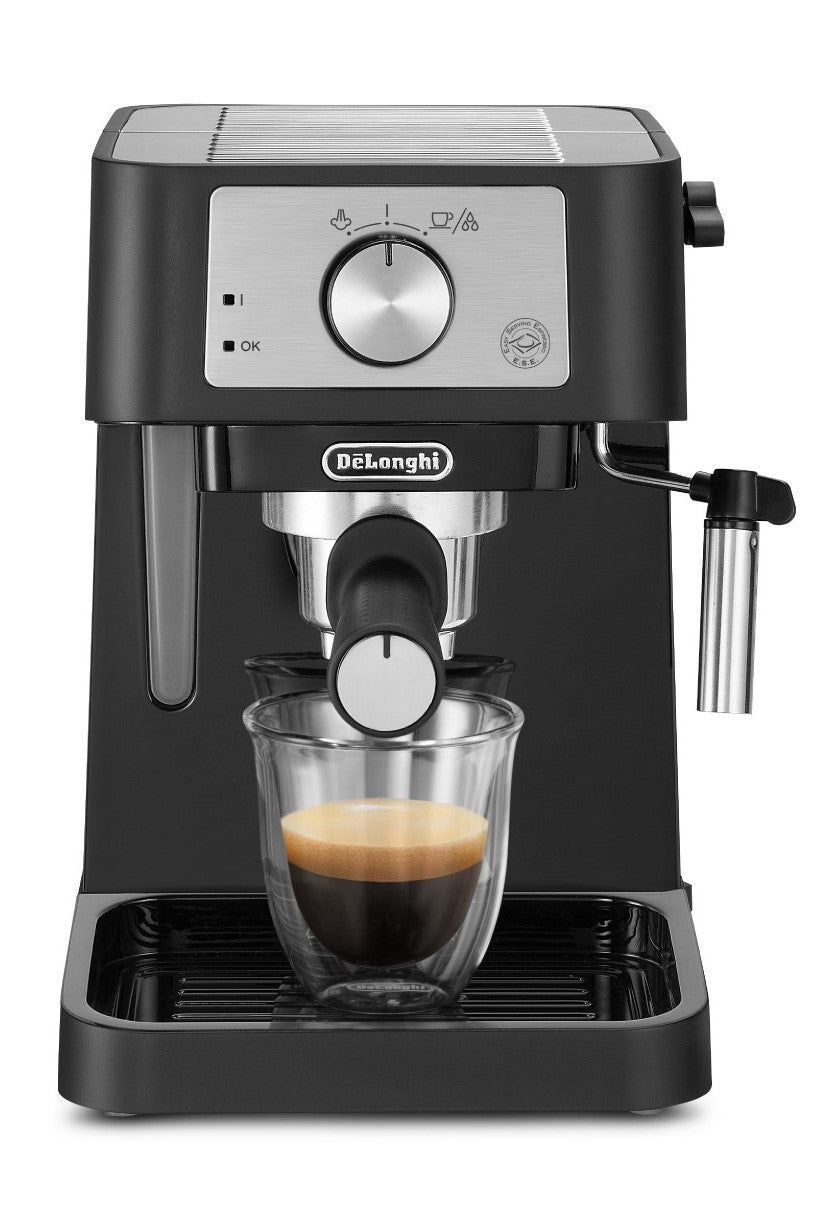
vs
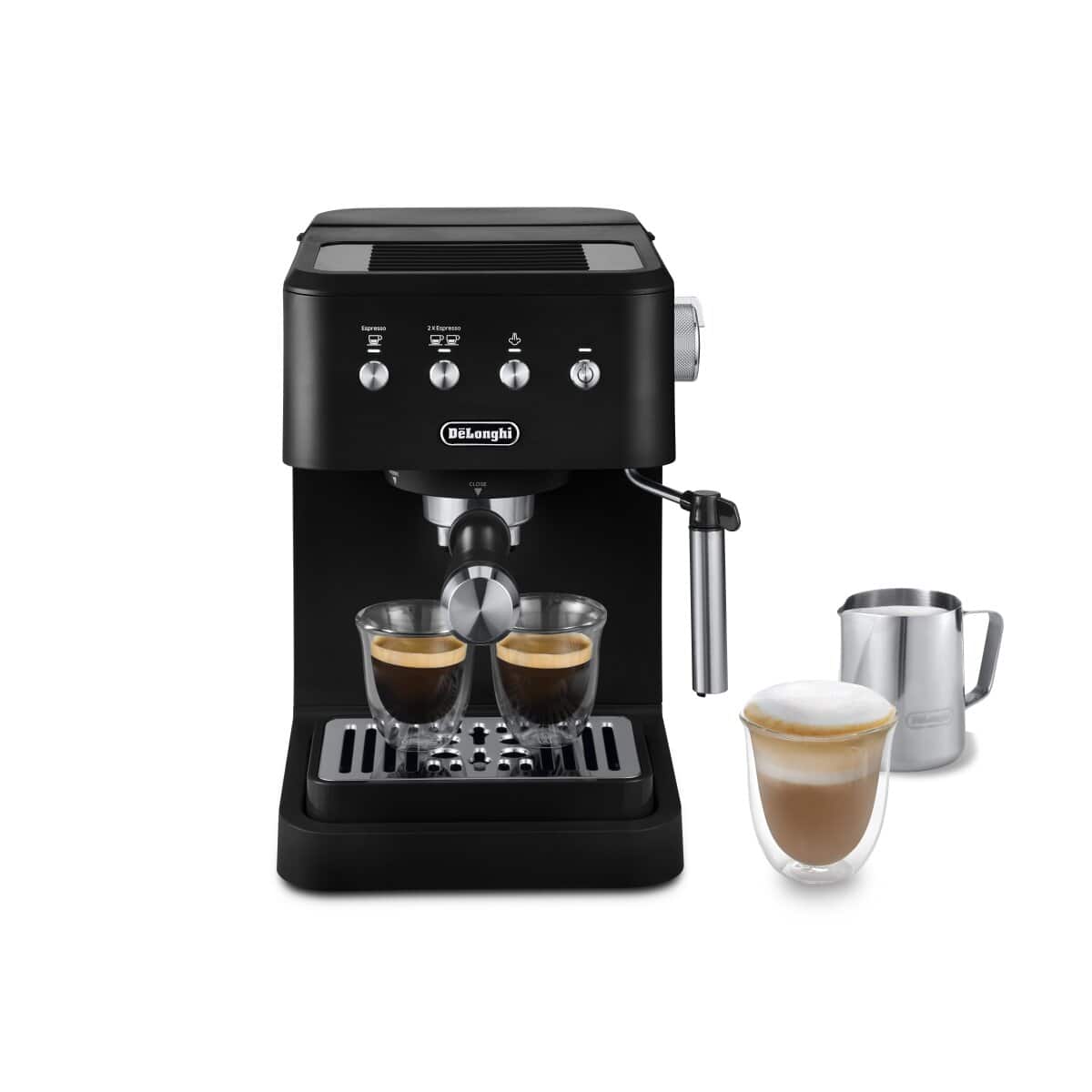
| Spec | De'Longhi Stilosa | De'Longhi Classic EM350 |
|---|---|---|
| Standout features | Steam Wand, Compact Design, Pressurized Basket | Preset Shot Buttons, Stainless Steel Steam Wand, Hot Water Dispensing, 57 oz Tank, 3-Year Warranty |
| Approx. price | ~$150 | ~$150 |
| Type | Semi-Automatic | Semi-Automatic |
| Boiler | Single Boiler | Thermoblock |
| Built-in grinder | No | No |
| Pump pressure | 15 bar | 15 bar |
| Water capacity | 34 oz | 57 oz |
| Warm-up time | 40 seconds | 40 seconds |
| Steam wand | Manual | Manual (Stainless Steel) |
| Basket type | Pressurized Only | Pressurized 51mm |
| Best for | Beginners | Beginners |
| Dimensions | 8.1 x 13.5 x 11.2 in | 9.0 x 11.3 x 11.8 in |
| Weight | 8.6 lbs | 9.3 lbs |
| Warranty | 1 year | 3 years |
Pros & cons
De'Longhi Stilosa
- ✓Cheapest path to real pump-driven espresso
- ✓Proper manual steam wand instead of a panarello at this price
- ✓Compact and lightweight - easy to tuck away
- ✓Simple mechanics with a big modding community
- ✗Pressurized baskets only - fake crema until you buy aftermarket baskets
- ✗Lots of plastic; feels every bit of its $110 price
- ✗No PID or temperature control, so shots run hot and cold
- ✗Odd 51mm size limits tamper and accessory upgrades
De'Longhi Classic EM350
- ✓Preset single and double espresso buttons remove the guesswork for first-timers
- ✓Proper stainless steel wand can build microfoam and dispense hot water for americanos
- ✓Covered by De'Longhi's 3-year warranty - generous at this price
- ✓Big 57 oz removable tank plus included tamper, scoop, and two baskets
- ✗Brand-new model with only a handful of reviews, so long-term reliability is unproven
- ✗Pressurized baskets cap extraction quality once your technique improves
- ✗Single thermoblock forces a pause between pulling shots and steaming milk
- ✗No temperature or pressure adjustability for dialing in lighter roasts
De'Longhi Stilosa vs De'Longhi Classic EM350: common questions
What is the difference in boiler design between the De'Longhi Stilosa and the De'Longhi Classic EM350?
The De'Longhi Stilosa uses a single boiler and the De'Longhi Classic EM350 uses a thermoblock. Boiler design drives temperature stability and whether you can brew and steam at the same time, which is the main reason two otherwise similar machines behave differently once you start making milk drinks back to back.