De'Longhi ECP3420 vs Outin Nano 2
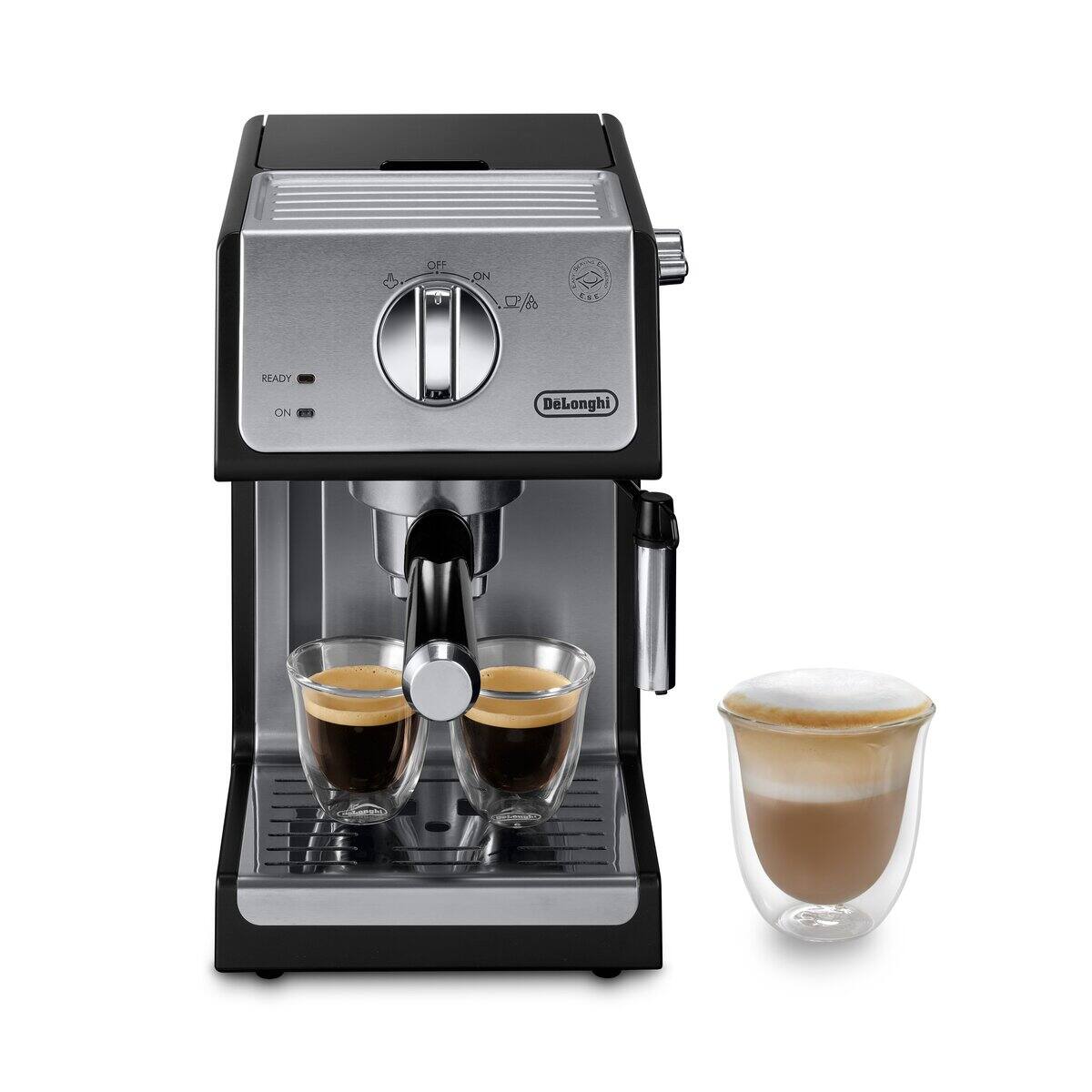
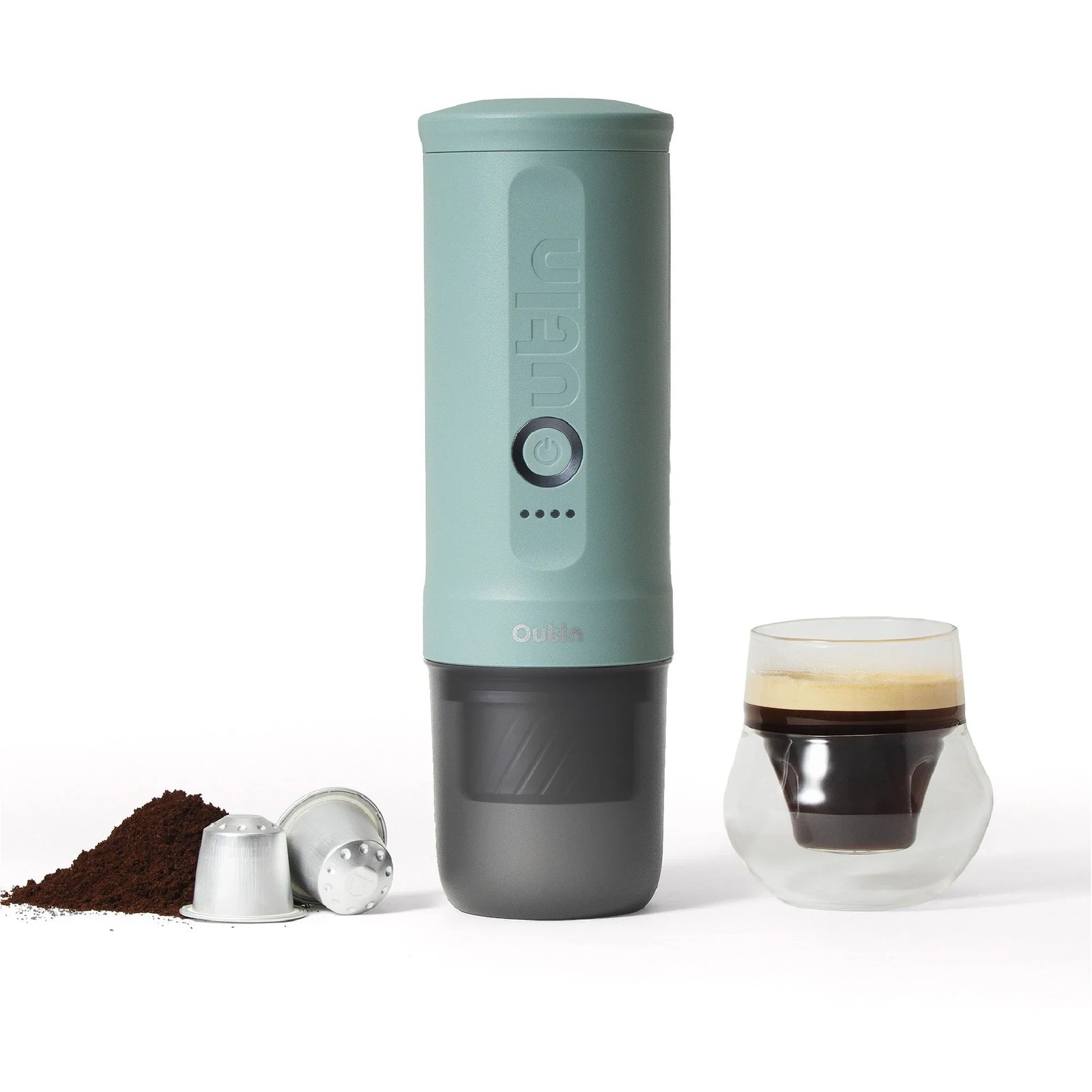
Quick take: The De'Longhi ECP3420 costs $15 less, has a steam wand you control by hand, heats up faster (40 seconds against 159 seconds) and holds more water (37 oz against 2.9 oz).
| Spec | De'Longhi ECP3420 | Outin Nano 2 |
|---|---|---|
| Standout features | Manual Milk Frother, Pressurized Baskets, ESE Pod Compatible, Adjustable Drip Tray, Self-Priming | Battery Powered, Self-Heating, 21 Bar Pump, Nespresso Capsule Adapter, USB-C PD Fast Charging, Ultra-Portable |
| Approx. price | ~$165 | ~$180 |
| Type | Semi-Automatic | Semi-Automatic |
| Boiler | Thermoblock | Thermoblock |
| Built-in grinder | No | No |
| Pump pressure | 15 bar | 21 bar |
| Water capacity | 37 oz | 2.9 oz |
| Warm-up time | 40 seconds | 159 seconds |
| Steam wand | Manual (Panarello) | — |
| Basket type | Pressurized 51mm | Pressurized 8g + Capsule Adapter |
| Best for | Beginners | Travel |
| Dimensions | 7.25 x 9.6 x 11.9 in | 2.8 x 2.8 x 9.3 in |
| Weight | 10.6 lbs | 1.6 lbs |
| Warranty | 1 year | 1 year |
Pros & cons
De'Longhi ECP3420
- ✓One of the cheapest ways to get real pump-driven espresso with reliable crema
- ✓Two-tier adjustable drip tray fits travel mugs and taller cups up to 5 inches
- ✓Panarello-style frother makes passable cappuccino foam with zero technique
- ✓Self-priming boiler and ESE pod support keep the learning curve gentle
- ✗Pressurized baskets limit flavor clarity and there is no official unpressurized upgrade
- ✗Lightweight plastic body vibrates and slides around during extraction
- ✗Short steam wand struggles to make true latte-art microfoam
- ✗Single thermoblock forces a wait between pulling shots and steaming milk
Outin Nano 2
- ✓Self-heating: the 120-watt element takes 50 ml of cold water to 93 C in about 159 seconds, so unlike the hand-pump Picopresso and Nanopresso it needs no hot-water source
- ✓5,000 mAh battery is rated for up to 9 cold-water brews per charge, twice the original Nano, and Outin rates it for over 600 extractions when you pour in pre-heated water
- ✓45 W USB-C PD charging refills it in about 100 minutes, and a 5-minute top-up is enough for 30 pre-heated-water shots
- ✓Included adapter pierces Nespresso Original Line capsules, so one device covers grounds on the road and pods in a hotel room
- ✗85 ml tank and 8 g basket mean single shots only; a double is a second full cycle
- ✗Cannot be run while charging, and the 54 Wh battery pack is carry-on only on flights with no in-flight use
- ✗Proprietary basket-and-portafilter: no standard baskets fit, and the original Nano's Basket Plus does not carry over
- ✗Launched September 2026, so there is no long-term reliability record and no in-depth independent reviews yet
- ✗$50 more than the Wacaco Picopresso, which pulls a larger 18 g dose from an unpressurized basket if you can supply your own hot water
What owners say
De'Longhi ECP3420
The ECP3420 is one of the great cheap entry points into real espresso, and the setups built around it are some of the most cheerfully over-modded machines you will find. At $165 new — and routinely $30 to $90 secondhand, which is how a lot of owners get theirs — it gives you a 51mm portafilter, a tiny boiler that is up to temperature in about a minute, and a workflow with none of the flushing rituals bigger machines demand. That small boiler is the underrated part: you can go from pulling a shot to steaming in roughly twenty seconds, which is faster than machines costing many times more. The build is mostly plastic and nobody pretends otherwise, but paired with a capable grinder it produces espresso that surprises people, and owners regularly report sticking with it happily for years rather than treating it as a stepping stone. Full owner insights →
De'Longhi ECP3420 vs Outin Nano 2: common questions
Is the Outin Nano 2 worth $15 more than the De'Longhi ECP3420?
On the spec sheet it is the other way round: the cheaper De'Longhi ECP3420 has a steam wand you control by hand, heats up faster (40 seconds against 159 seconds) and holds more water (37 oz against 2.9 oz). What the Outin Nano 2's extra $15 buys is in its pros and cons above.
Which is better for lattes and cappuccinos, the De'Longhi ECP3420 or the Outin Nano 2?
The De'Longhi ECP3420 uses a manual steam wand you texture milk with yourself, while the Outin Nano 2 has no steam wand, so it makes espresso only. An automatic system gets you a consistent milk drink with no practice; a manual wand takes a few weeks to learn but gives you proper microfoam and latte art once it clicks.
Similar machines
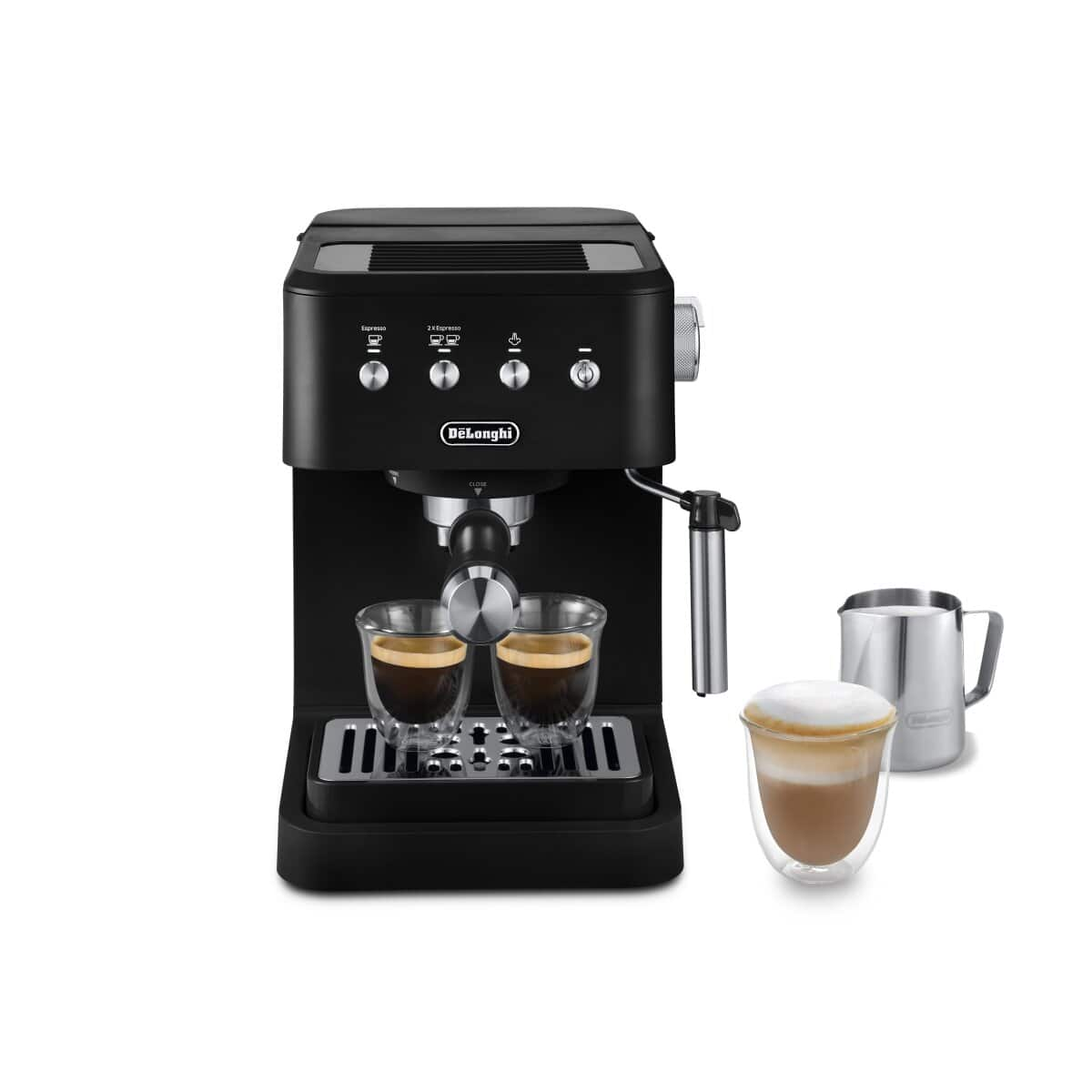
De'Longhi
De'Longhi Classic EM350
De'Longhi's new matte-black starter machine pairs preset single and double shot buttons with a real stainless steam wand.
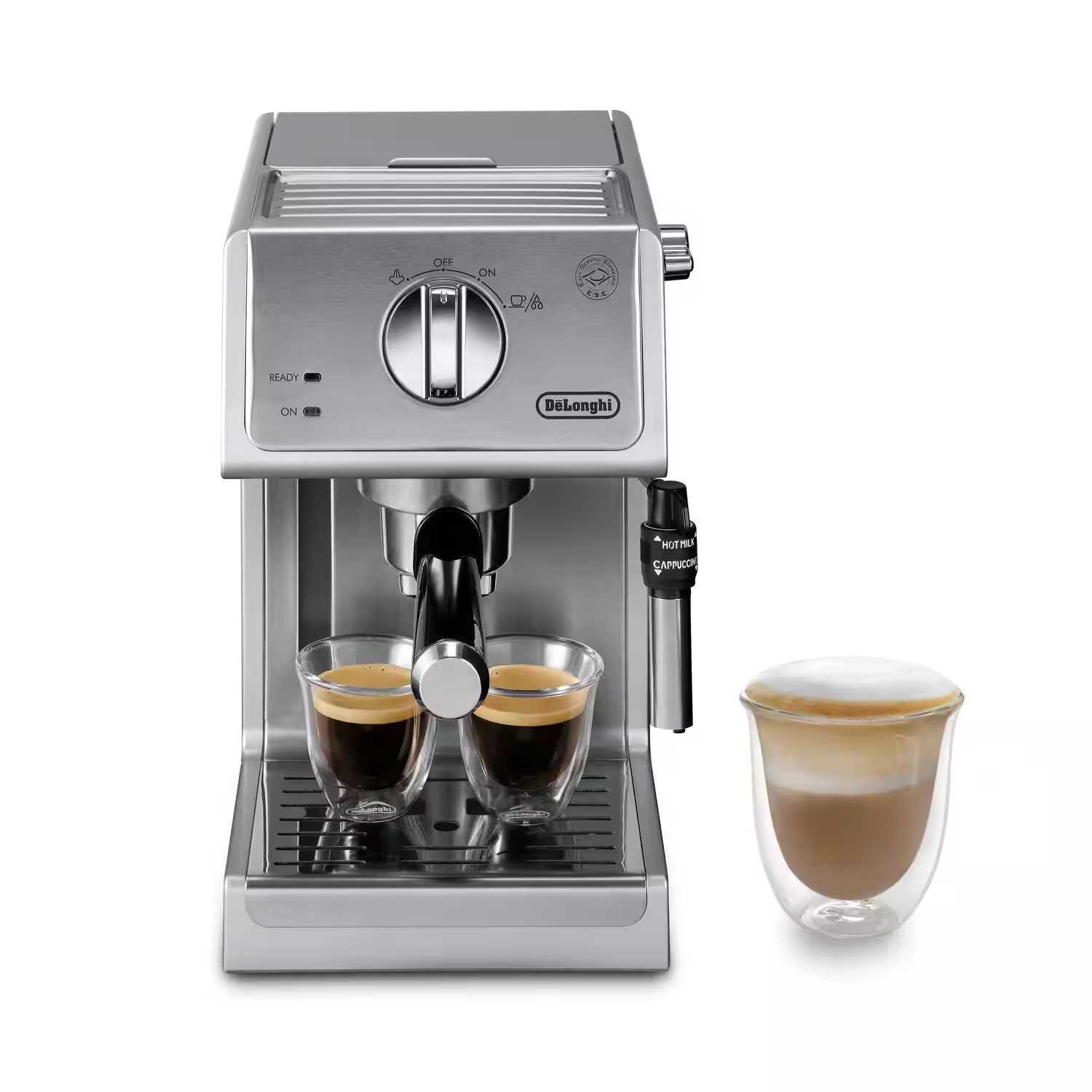
De'Longhi
De'Longhi Active Line ECP3630
The one Active Line pump machine De'Longhi still sells in the US and the replacement for the ECP3420: the same 15-bar pump and 37-oz tank, with an adjustable panarello frother, a 3-in-1 pressurized filter holder for single shots, doubles or ESE pods, and a two-level drip tray for taller cups.
Breville
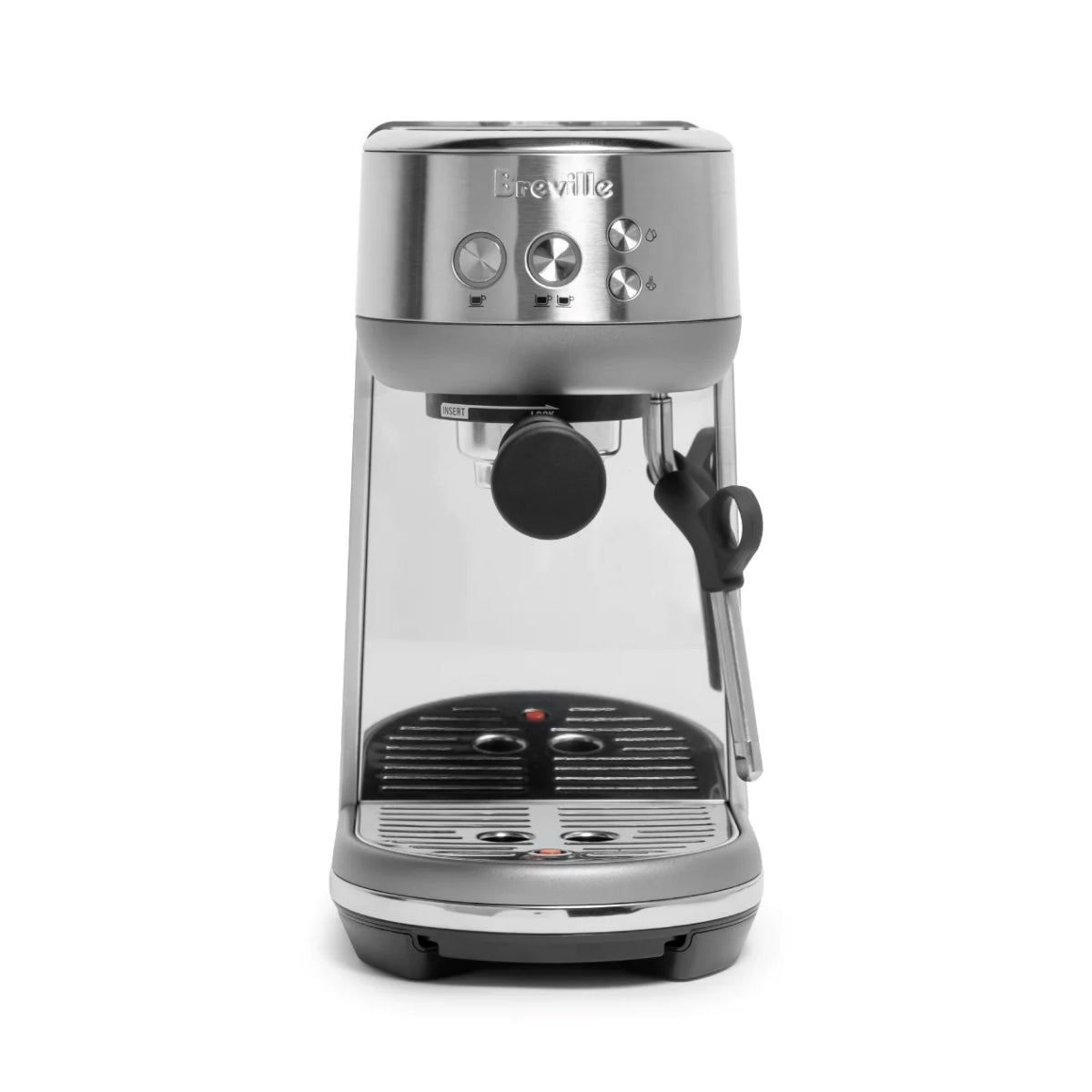
Breville Bambino
The cheaper, manual-steam sibling of the Bambino Plus. Same compact footprint and 3-second heat up but without auto-frothing - making it a favorite of latte art beginners on a budget.