Breville Barista Pro vs Gaggia Classic UP
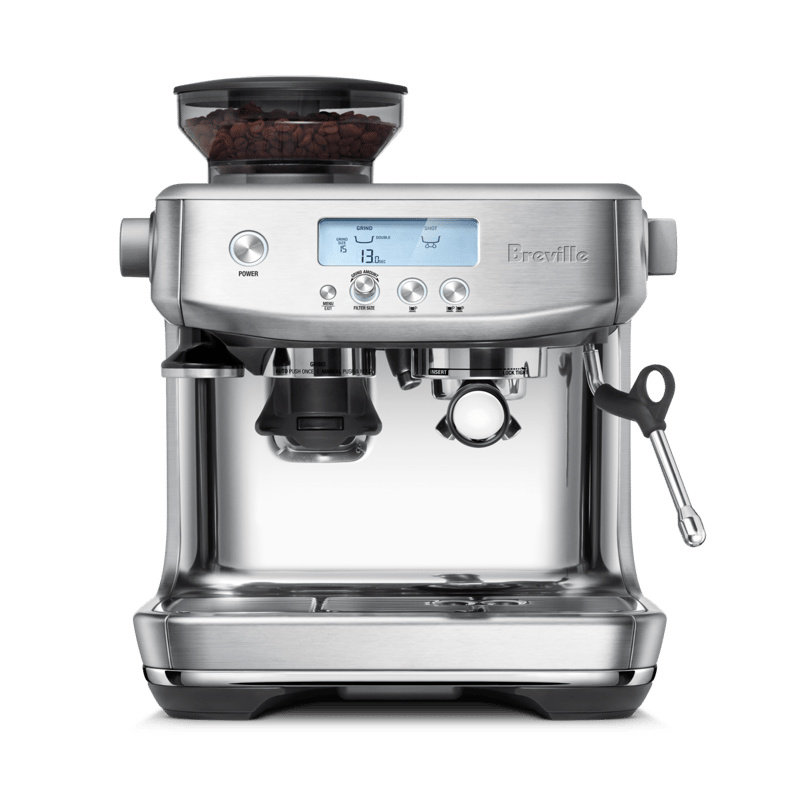
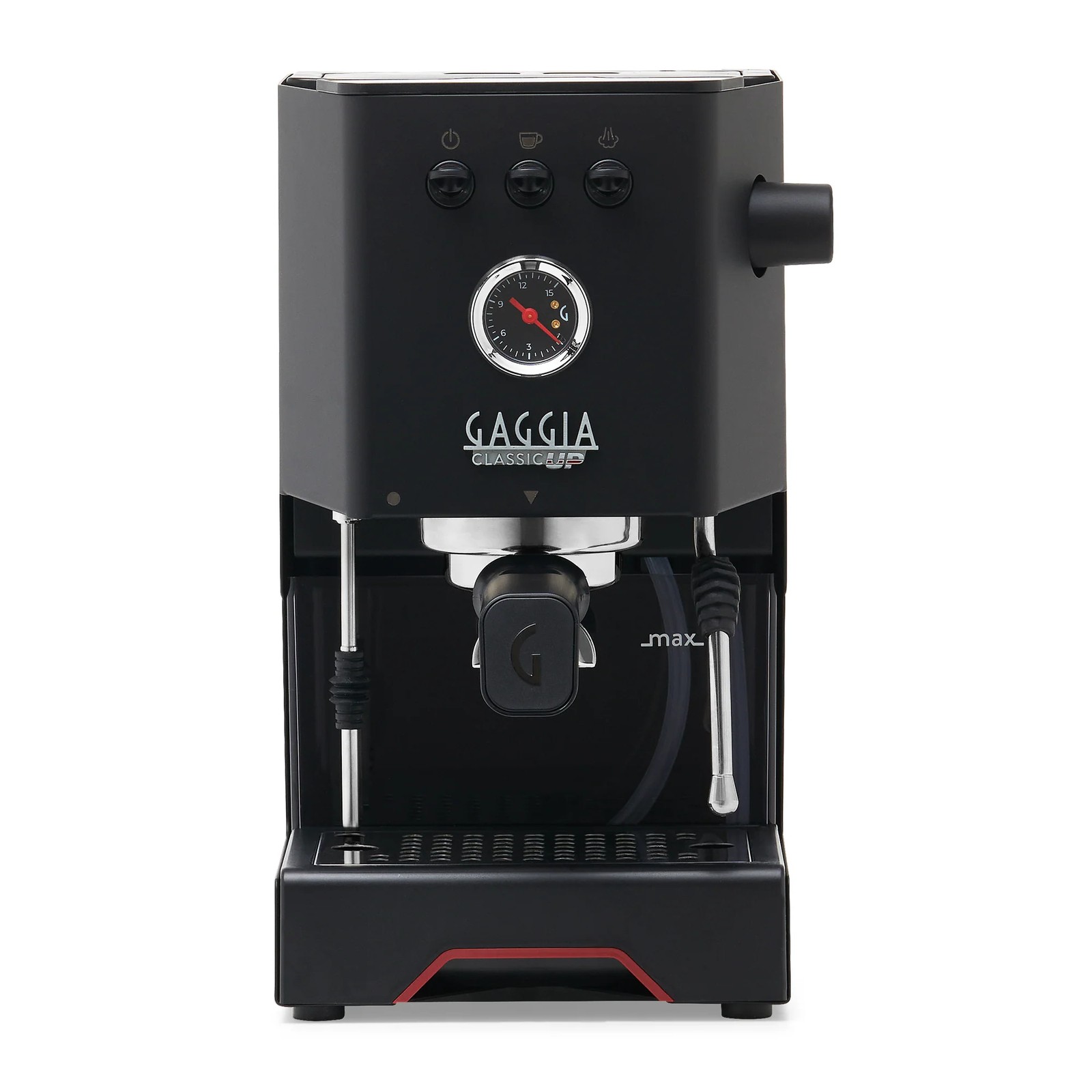
Quick take: The Gaggia Classic UP costs $1 less; the Breville Barista Pro has a built-in grinder; the Breville Barista Pro heats up faster (3 seconds).
| Spec | Breville Barista Pro | Gaggia Classic UP |
|---|---|---|
| Standout features | Built-in Grinder, Steam Wand, ThermoJet, LCD Display | Pre-Infusion, Lead-Free Brass Boiler, Brew Pressure Gauge, 2-Inch TFT Display with Shot Timer, Commercial Steam Wand, Programmable |
| Approx. price | ~$850 | ~$849 |
| Type | Semi-Automatic | Semi-Automatic |
| Boiler | Thermoblock | Single Boiler |
| Built-in grinder | Yes | No |
| Pump pressure | 15 bar | 9 bar |
| Water capacity | 67 oz | 72 oz |
| Warm-up time | 3 seconds | 5 minutes |
| Steam wand | Manual | Manual |
| Basket type | Pressurized & Unpressurized | Unpressurized |
| Best for | Enthusiasts | Enthusiasts |
| Dimensions | 13.3 x 12.5 x 15.5 in | 7.9 x 10.6 x 14.2 in |
| Weight | 22 lbs | 17.9 lbs |
| Warranty | 2 years | 3 years |
Pros & cons
Breville Barista Pro
- ✓Instant heat-up with ThermoJet
- ✓Built-in grinder
- ✓Better grind adjustment than Express
- ✓Good LCD interface
- ✗Thermoblock limits steam power
- ✗Grinder good but not great
- ✗Large footprint
- ✗Step up from Express is marginal for some
Gaggia Classic UP
- ✓Dual PID holds brew temperature within about 2 C of the setpoint - no more temperature surfing
- ✓Ships with commercial 11 g and 18 g baskets instead of the E24's 6.5 g and 14 g set, so standard specialty doses fit
- ✓Three pre-infusion programs (2 to 12 seconds of low-flow wetting plus a soak) and the option to switch it off
- ✓Second 8 oz low drip tray adds an inch of cup clearance - the most common Classic mod, included in the box
- ✓Fully articulated commercial steam wand and a real steel tamper replace the E24's accessories
- ✗$300 more than the Classic Pro E24, which is the same boiler and group with the upgrades left to you
- ✗Still a 3.7 oz single boiler - about 40 seconds to reach steam temperature and a cooling flush before the next shot
- ✗Steam tip still drips after steaming, a complaint carried over from earlier Classics
- ✗Shots are timed rather than volumetric, and reviewers found the pressure gauge more of a reference than a live puck-pressure readout
- ✗No water-level window on the tank, and the group handle and steam knob are plastic for the price
What owners say
Breville Barista Pro
The Barista Pro is the Barista Express with its heating system swapped out. Same all-in-one shape, same 54mm portafilter, same conical burr grinder built into the left side, but the thermocoil gives way to Breville's ThermoJet, which is at temperature in about three seconds and moves from brewing to steaming without the usual wait. It also trades the analog pressure gauge for a small LCD that runs the shot timer and settings, and units built since late 2023 ship with Baratza-branded burrs in the grinder, which owners spot from the sticker on the hopper. Full owner insights →
Breville Barista Pro vs Gaggia Classic UP: common questions
Which is cheaper, the Breville Barista Pro or the Gaggia Classic UP?
The Gaggia Classic UP is the cheaper of the two at roughly $849, about $1 less than the Breville Barista Pro at ~$850. Both figures are approximate list prices and street prices move with sales.
Does the Breville Barista Pro or the Gaggia Classic UP have a built-in grinder?
Only the Breville Barista Pro grinds its own beans. The Gaggia Classic UP needs a separate grinder, which is worth budgeting for — a dedicated burr grinder is usually the bigger upgrade to shot quality, but it also costs extra counter space and money on top of the machine.
Which heats up faster, the Breville Barista Pro or the Gaggia Classic UP?
The Breville Barista Pro is ready sooner — 3 seconds against 5 minutes for the Gaggia Classic UP. That gap matters most on weekday mornings; if you pull shots at a relaxed pace it makes little practical difference.
What is the difference in boiler design between the Breville Barista Pro and the Gaggia Classic UP?
The Breville Barista Pro uses a thermoblock and the Gaggia Classic UP uses a single boiler. Boiler design drives temperature stability and whether you can brew and steam at the same time, which is the main reason two otherwise similar machines behave differently once you start making milk drinks back to back.