Breville Bambino Plus vs Gaggia Classic Pro
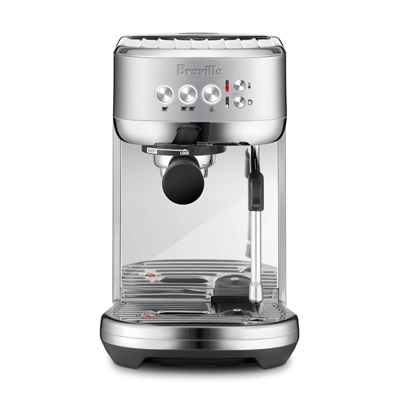
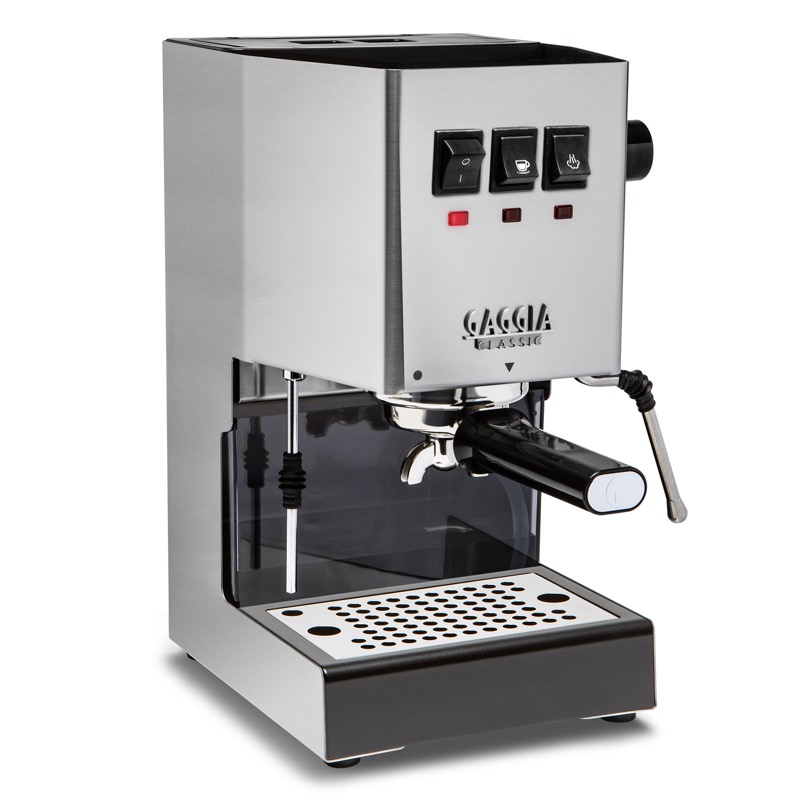
Quick take: The Gaggia Classic Pro costs $50 less; the Breville Bambino Plus heats up faster (3 seconds).
| Spec | Breville Bambino Plus | Gaggia Classic Pro |
|---|---|---|
| Standout features | Steam Wand, Auto Milk Texturing, PID Control, 3-Second Heat Up | Commercial Steam Wand, Solenoid Valve, 58mm Portafilter, 3-Way Valve |
| Approx. price | ~$500 | ~$450 |
| Type | Semi-Automatic | Semi-Automatic |
| Boiler | Thermoblock | Single Boiler |
| Built-in grinder | No | No |
| Pump pressure | 15 bar | 15 bar |
| Water capacity | 64 oz | 72 oz |
| Warm-up time | 3 seconds | 10 minutes |
| Steam wand | Auto | Commercial Manual |
| Basket type | Pressurized & Unpressurized | Pressurized & Unpressurized |
| Best for | Beginners | Enthusiasts |
| Dimensions | 7.7 x 12.6 x 12.2 in | 9.5 x 8 x 14.2 in |
| Weight | 11 lbs | 18 lbs |
| Warranty | 2 years | 1 year |
Pros & cons
Breville Bambino Plus
- ✓Very fast heat-up
- ✓Compact footprint
- ✓Automatic milk steaming
- ✓Great starter machine
- ✗No built-in grinder
- ✗Small water tank
- ✗Auto steam offers less control than a manual wand
Gaggia Classic Pro
- ✓Commercial group head size
- ✓Excellent steam wand
- ✓Huge modding community
- ✓Great upgrade path
- ✗No PID (easy to add)
- ✗Single boiler workflow
- ✗Basic appearance
- ✗Steep learning curve
What owners say
Breville Bambino Plus
The Bambino Plus is the $500 version of the same tiny Thermojet machine, and the extra $200 buys the milk. Its steam wand carries a temperature and texture sensor, so you drop it into the pitcher, press once, and it shuts off on its own at a chosen warmth and foam level - which is why it is the machine most often suggested to someone buying their very first setup, and the one that keeps showing up in households where a partner, a roommate or a teenager also has to be able to make a latte. It also adds a solenoid valve for drier pucks and no post-shot dripping, a 64 oz tank instead of 47 oz, and a second year of warranty. Heat-up is still about three seconds, the basket is still 54mm, and it still takes up almost no counter. Full owner insights →
Gaggia Classic Pro
For most of the last decade the Gaggia Classic Pro was the default answer to "what should my first real espresso machine be" - but the RI9380/46 is no longer the machine you buy new. Gaggia's own Classic Pro product page now serves the Classic Pro E24 and calls that the newest version, and the 2023 Classic Evo Pro that sat between the two has been folded into the same successor. What earned this platform a decade of devotion was never its feature list: a stainless shell you can stand on, a commercial 58mm group and portafilter that shares baskets, screens and tampers with machines costing five times as much, a three-way solenoid that leaves a dry puck, and internals simple enough that every wearing part is a cheap order and a screwdriver away. Full owner insights →
Breville Bambino Plus vs Gaggia Classic Pro: common questions
Which is cheaper, the Breville Bambino Plus or the Gaggia Classic Pro?
The Gaggia Classic Pro is the cheaper of the two at roughly $450, about $50 less than the Breville Bambino Plus at ~$500. Both figures are approximate list prices and street prices move with sales.
Which is better for lattes and cappuccinos, the Breville Bambino Plus or the Gaggia Classic Pro?
The Breville Bambino Plus steams and textures milk automatically, while the Gaggia Classic Pro uses a manual steam wand you texture milk with yourself. An automatic system gets you a consistent milk drink with no practice; a manual wand takes a few weeks to learn but gives you proper microfoam and latte art once it clicks.
Which heats up faster, the Breville Bambino Plus or the Gaggia Classic Pro?
The Breville Bambino Plus is ready sooner — 3 seconds against 10 minutes for the Gaggia Classic Pro. That gap matters most on weekday mornings; if you pull shots at a relaxed pace it makes little practical difference.
What is the difference in boiler design between the Breville Bambino Plus and the Gaggia Classic Pro?
The Breville Bambino Plus uses a thermoblock and the Gaggia Classic Pro uses a single boiler. Boiler design drives temperature stability and whether you can brew and steam at the same time, which is the main reason two otherwise similar machines behave differently once you start making milk drinks back to back.